
Shop through Thematic Archives
A Living Gateway to Visual Culture
Curated collections of licensable images — original photography and restored graphic works — organized by subject, period, and visual tradition. Each archive includes an editorial overview placing the images in their historical and iconographic context.
Featured Archives

Roberto Bigano Photography Archive
New York City Art Deco interiors, the Bugatti heritage and the Campogalliano factory era, fifty years of shop-window mannequins, medieval ivory reliefs, and the Habsburg armour collection at the Kunsthistorisches Museum in Vienna. Several published in or commissioned by FMR Magazine.
The range is not accidental — visual culture does not organize itself by subject, and neither does this archive.

Graphic Archive
Restored advertising art, magazine illustration, posters, and printed ephemera from the 1910s–1960s. Anne Fish, Erté, Leyendecker, Gluyas Williams, Beltrame, Jansson, Coca-Cola, Dunlop — organized by artist, publication, brand, and cultural theme. All material reconstructed as complete double-page spreads, restoring geometry that binding and trimming had concealed.

Illustration Archive
Magazine illustration, advertising art, editorial cartoons, and poster design spanning six decades of American and European visual culture. Anne Harriet Fish, Erté, Gluyas Williams, J.C. Leyendecker, Achille Beltrame, Augustus Jansson — each represented by curated selections restored from original publications.
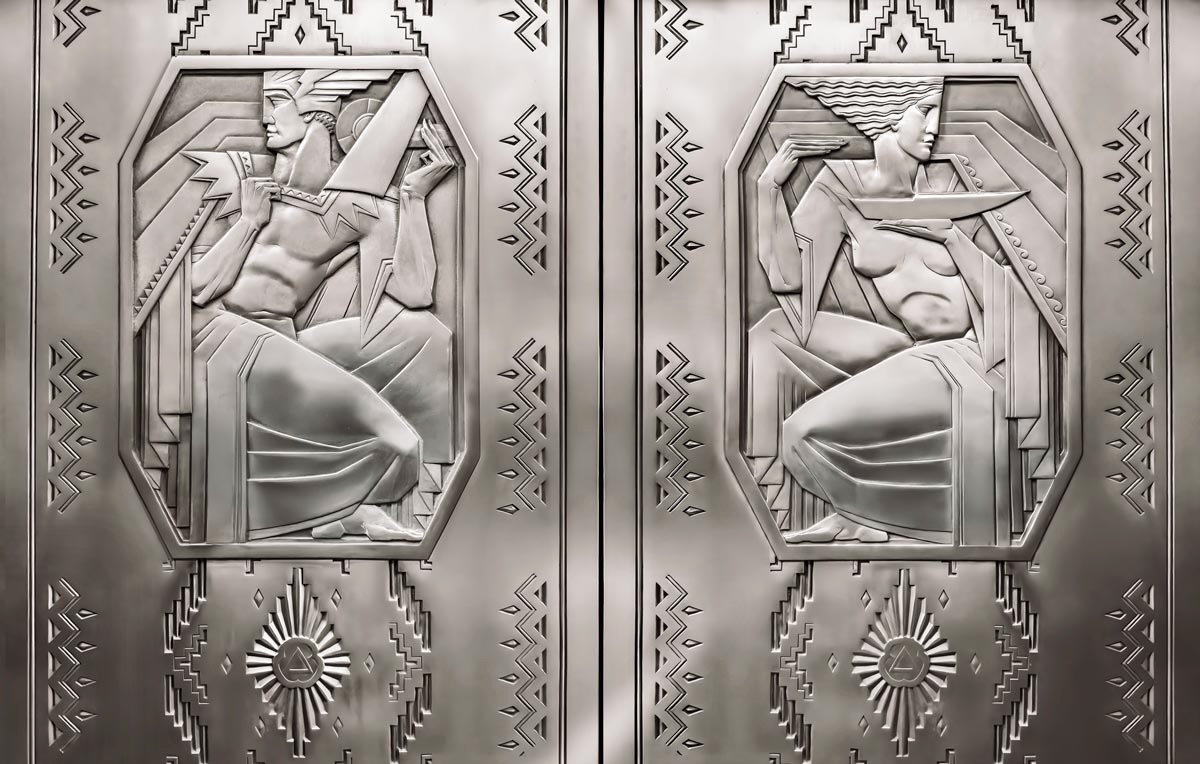
New York City Art Deco
"Manhattan's commercial lobbies as complete artistic environments — elevator doors as allegorical sculpture, bronze grilles encoding symbolic programs, polychrome ceilings merging ancient and modern. Decorative cycles by Chambellan, Glinsky, and Bach.
Published in FMR Magazine, Winter Solstice 2024."

Plastic Girls / Mannequins (1978–2026)
A photographic study of shop-window mannequins across five decades — begun in 1978, its coherence as an archive only recognized decades later. The Age of Plastic Innocence, American Hyperreality, Glamour and Aggression, Spanish Brides — four distinct chapters tracing artificial femininity as a cultural artifact.

Bugatti Automobili (1990–1995)
The most complete documentation of Bugatti Automobili ever assembled — the factory, the cars, and the people behind them, from the first sketch to the last car built. Romano Artioli who dreamed and built it, Gianpaolo Benedini who designed the factory, Roberto Bigano who documented it from inside. Available nowhere else.
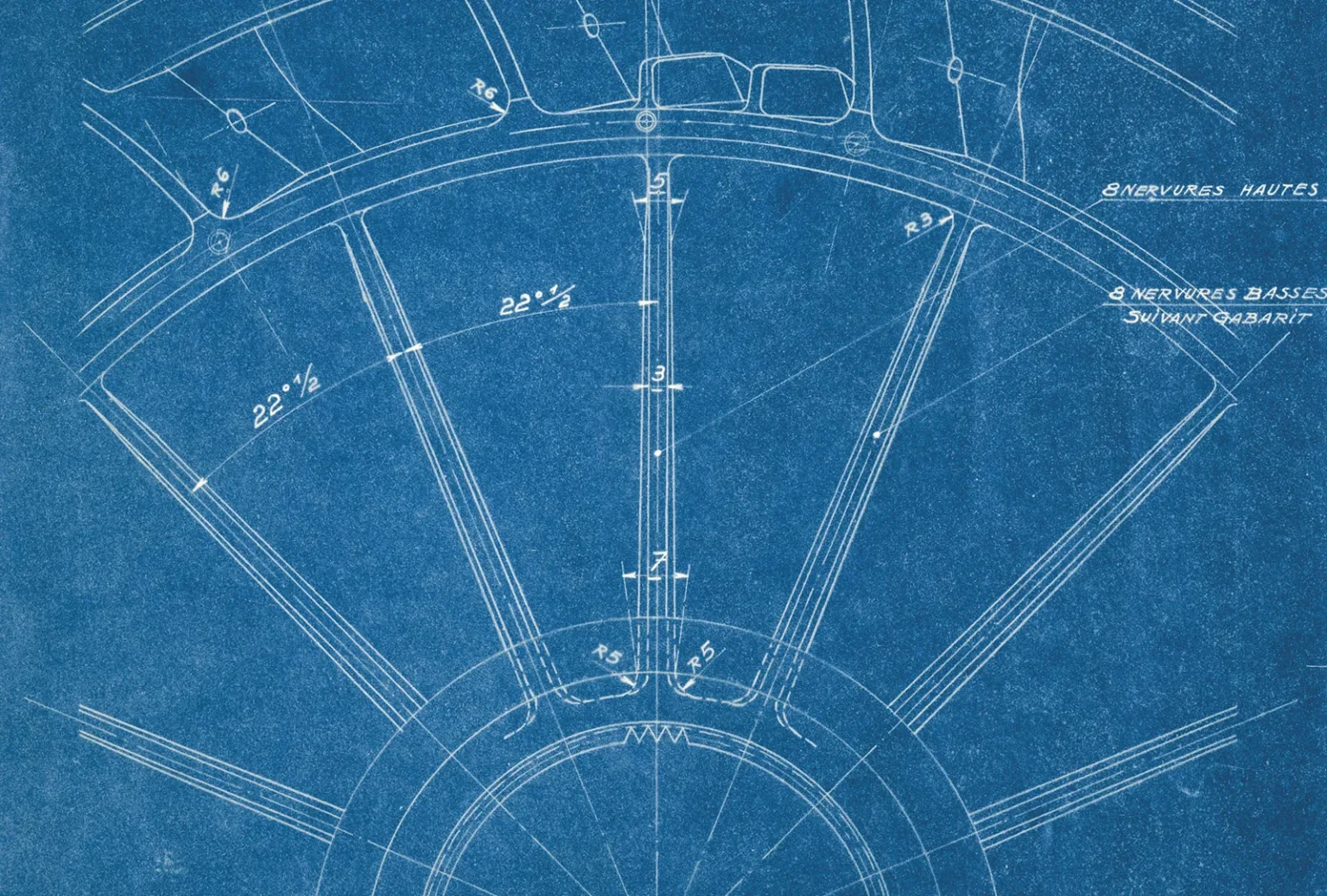
Bugatti Heritage Archive (1909–1952)
Factory drawings, printed literature, posters, studio photography, and documentary reportage — Bugatti from 1909 to 1952. Built between 1990 and 2009 with access that no longer exists. The most complete visual record of Bugatti heritage in private hands. Available nowhere else.

Portfolio Magazine - by Brodovitch (1950–1951)
Three issues. Three original copies, carefully unbound. Full-spread reproductions reveal what the binding concealed — compositions Brodovitch designed, but that no reader ever fully saw. The most complete visual presentation of Portfolio available anywhere.

Anne Harriet Fish Archive (1914–1935)
Illustrator for The Tatler, Vanity Fair, Harper's Bazaar — Anne Harriet Fish defined the graphic wit of 1920s high society across two continents. All pages of High Society — her masterpiece — and The Eve Book, selected Harper's Bazaar plates, and more.
Photography Archives

The Armors of Ferdinand II
The Habsburg armour collection assembled by Archduke Ferdinand of Tyrol, housed at the Kunsthistorisches Museum in Vienna — photographed by Roberto Bigano in a closed museum, with full access granted in recognition of FMR's standing. The brief from Franco Maria Ricci: "Mr Bigano, bring me ghosts coming out from nowhere.

The Serge Roche Archive
The defining figure of French Art Deco glass and mirror work — his studio attracted the international art world for three decades. Techniques in oxidation and verre églomisé that produced objects never replicated. Photographed by Roberto Bigano for FMR Magazine.
Available nowhere else.
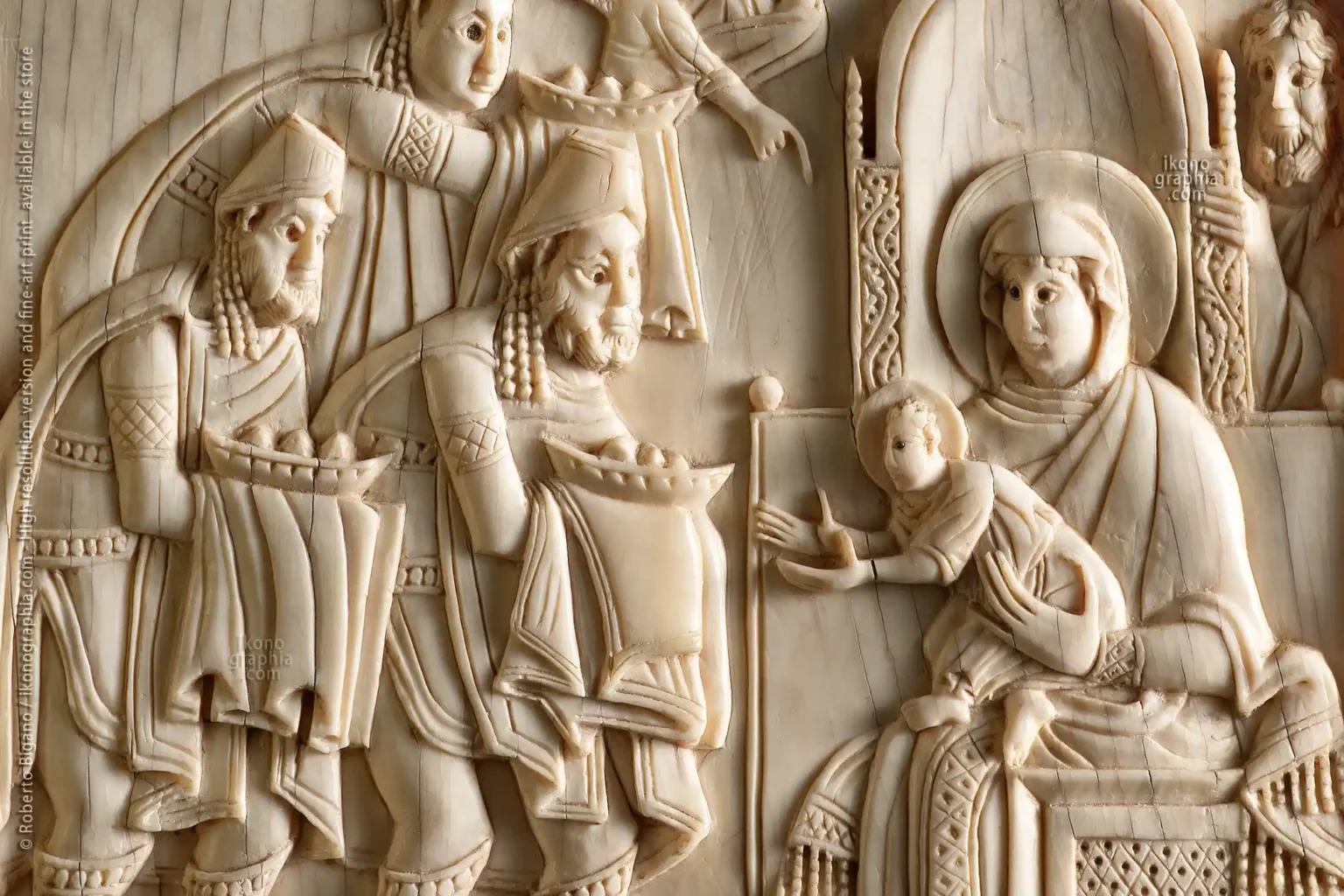
Old and New Testament Ivory Carvings
The most extensive unified set of Biblical ivory carvings from the pre-Gothic Middle Ages — 11th century plaques depicting the complete Old Testament sequence, from the Creation to Moses. Their origins remain a mystery, likely connected to the Maritime Republic of Amalfi. Published in FMR Magazine as "The Greatest Story Ever Carved."
Bugatti Heritage Archive (1909–1952)
Factory drawings, printed literature, posters, studio photography, and documentary reportage — Bugatti from 1909 to 1952. Built between 1990 and 2009 with access that no longer exists. The most complete visual record of Bugatti heritage in private hands. Available nowhere else
Bugatti Automobili (1990–1995)
The most complete documentation of Bugatti Automobili ever assembled — the factory, the cars, and the people behind them, from the first sketch to the last car built. Romano Artioli who dreamed and built it, Gianpaolo Benedini who designed the factory, Roberto Bigano who documented it from inside. Available nowhere else.
Plastic Girls / Mannequins (1978–2026)
A photographic study of shop-window mannequins across five decades — begun in 1978, its coherence as an archive only recognized decades later. The Age of Plastic Innocence, American Hyperreality, Glamour and Aggression, Spanish Brides — four distinct chapters tracing artificial femininity as a cultural artifact.
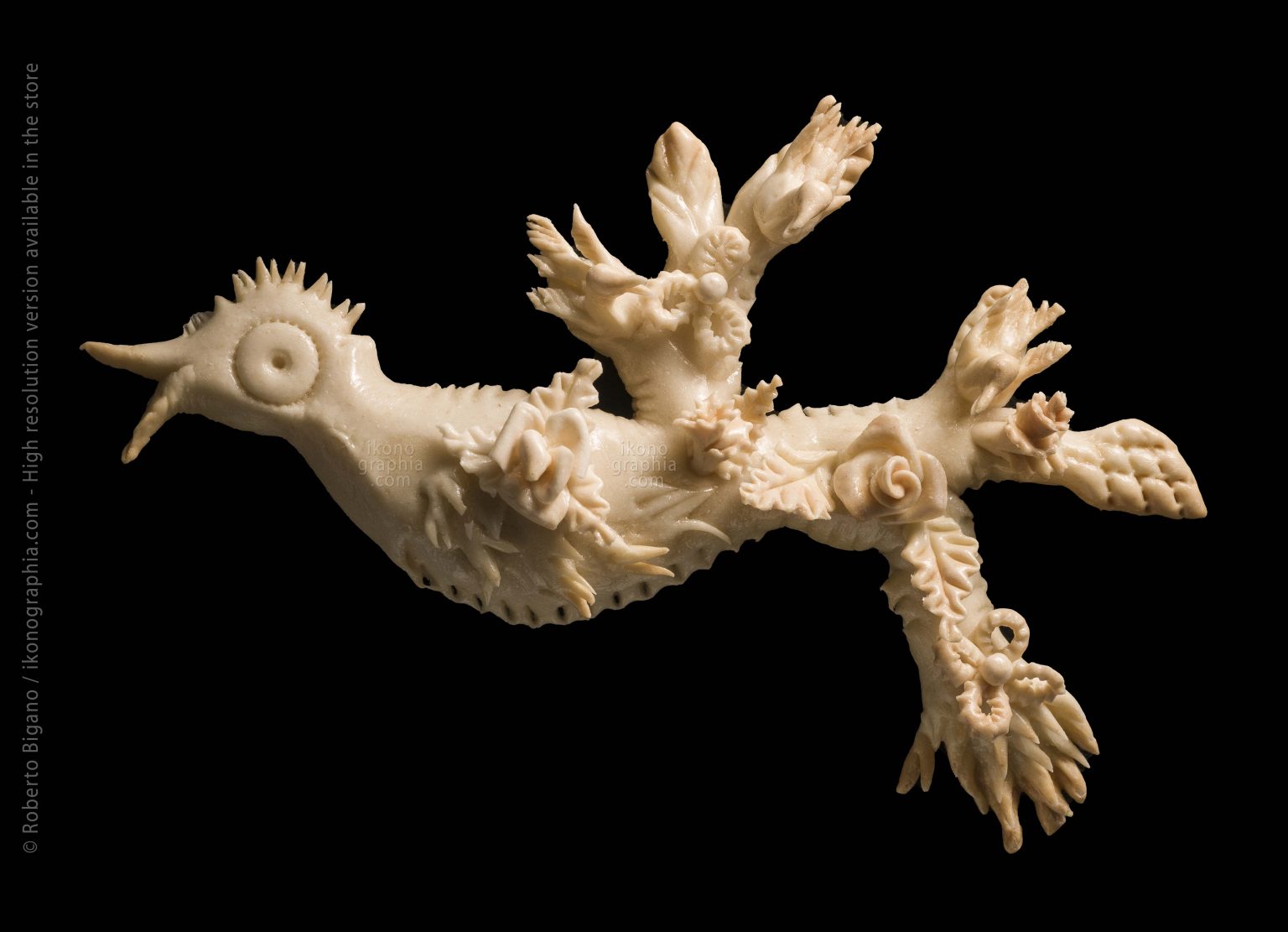
Sardinian Traditional Bread
In Sardinia, bread is shaped, sculpted, painted, and dressed in fabric — symbolic forms for Easter and Lent, ceremonial breads for weddings, calendar breads, dolls, and among the finest, the Coccoi Pintau.
Published in FMR Magazine N.14, Summer Solstice 2025 as "The Simple Luxury of Daily Bread."
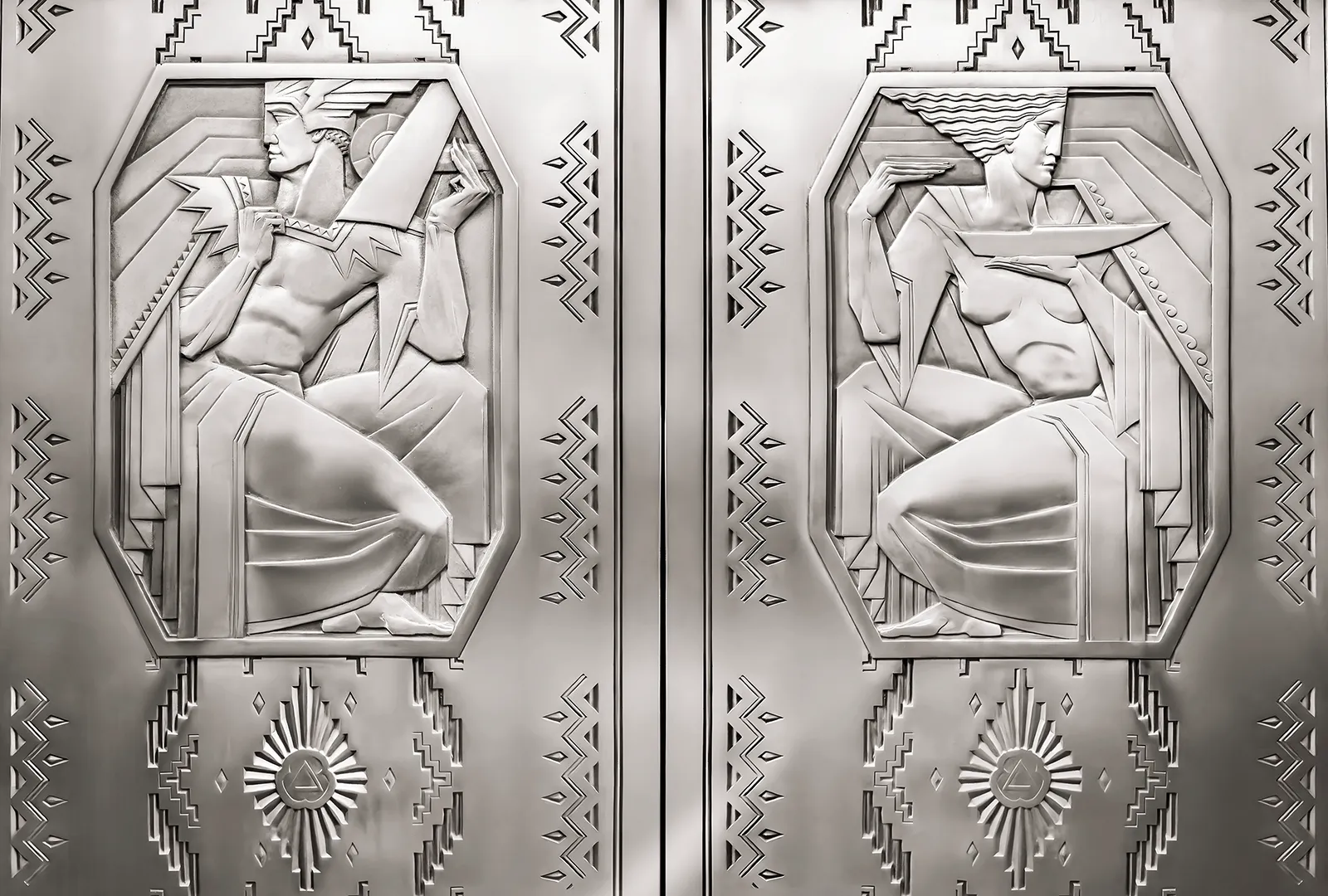
New York City Art Deco
"Manhattan's commercial lobbies as complete artistic environments — elevator doors as allegorical sculpture, bronze grilles encoding symbolic programs, polychrome ceilings merging ancient and modern. Decorative cycles by Chambellan, Glinsky, and Bach.
Published in FMR Magazine, Winter Solstice 2024."

The Bugatti Centenary Meeting 2009
In May 2009, the Bugatti Club of Italy organized in Tuscany the largest Bugatti gathering ever assembled — the centenary of the marque. Documentary photography across individual cars, crews, landscape, and behind-the-scenes moments.
Illustration Archives
Illustration Archive
Magazine illustration, advertising art, editorial cartoons, and poster design spanning six decades of American and European visual culture. Anne Harriet Fish, Erté, Gluyas Williams, J.C. Leyendecker, Achille Beltrame, Augustus Jansson — each represented by curated selections restored from original publications.
Anne Harriet Fish Archive (1914–1935)
Illustrator for The Tatler, Vanity Fair, Harper's Bazaar — Anne Harriet Fish defined the graphic wit of 1920s high society across two continents. All pages of High Society — her masterpiece — and The Eve Book, selected Harper's Bazaar plates, and more.
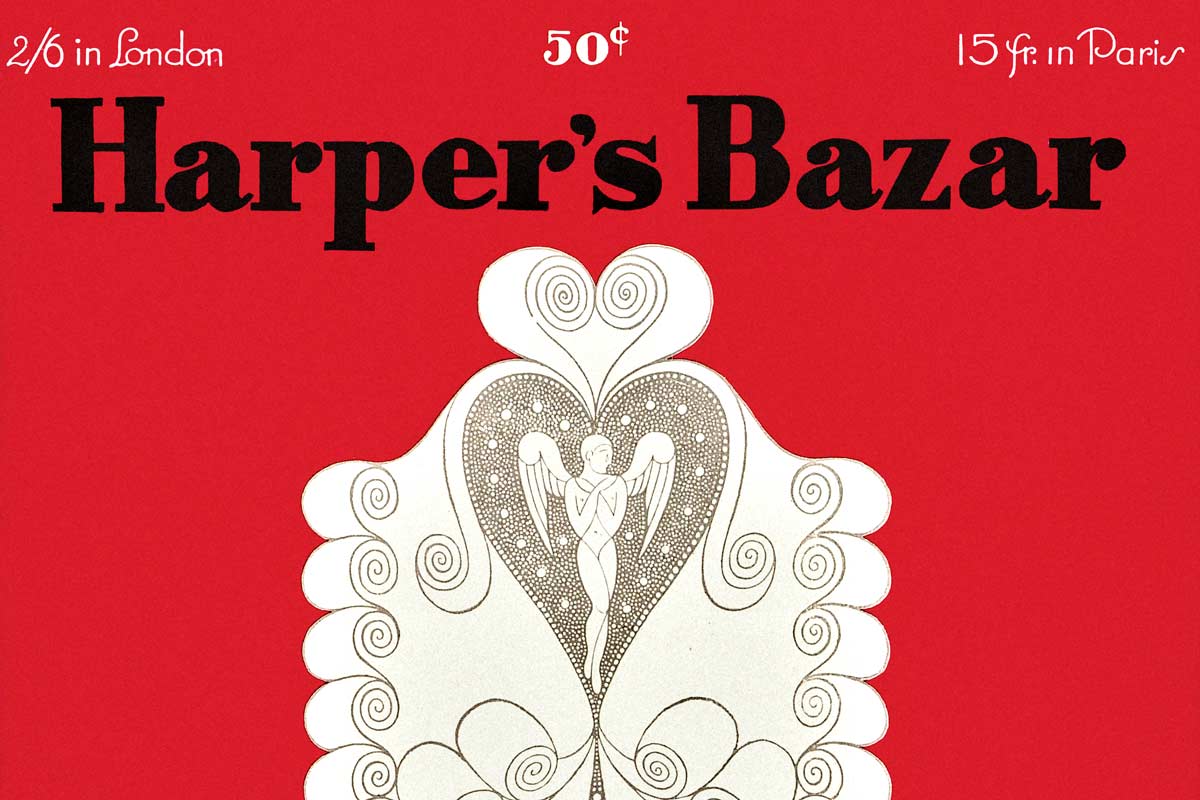
Erté & Fashion Illustration — Harper’s Bazaar Archive (1915–1937)
From the moment Erté signed his landmark 1915 contract with Harper's Bazaar, he became one of the defining visual voices of early twentieth-century fashion culture. Across more than two decades, his covers and editorial plates shaped the magazine's identity. Archive in the work.

Gluyas Williams Archive
The complete run of Gluyas Williams's double-page illustrations from "Ourselves as Others See Us," published in Cosmopolitan in 1928 — the 1929 and 1930 runs follow. Each spread restored to the original single composition. No other merged reproductions are known to exist.
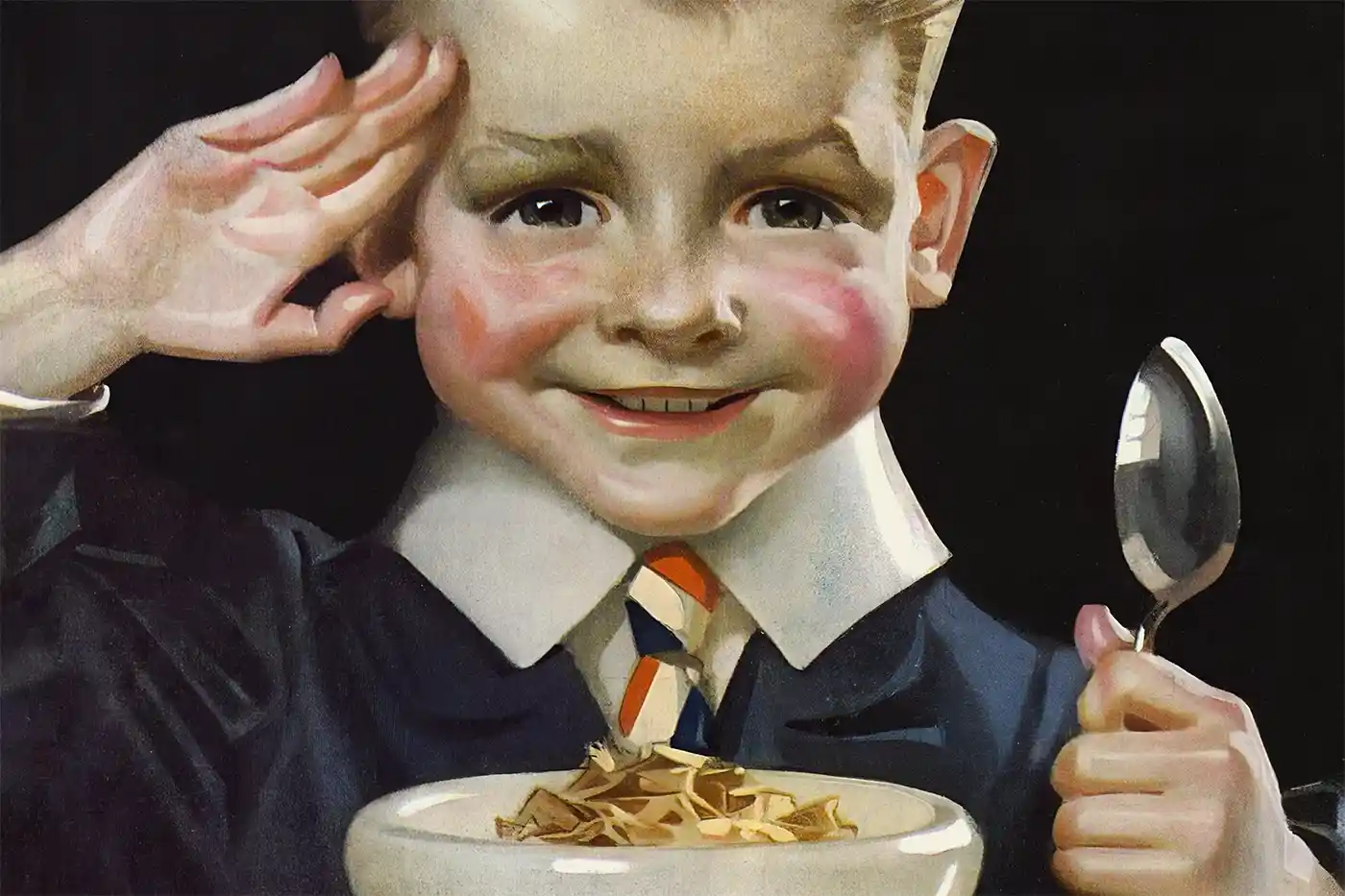
Joseph Christian Leyendecker Archive
The complete run of Leyendecker's illustrations for Kellogg's Corn Flakes, published in The Ladies' Home Journal during 1916 and 1917. Leyendecker built contrast through alternating green and magenta brushstrokes — a technique rooted in Giotto. The restoration was calibrated to reveal it.

Achille Beltrame Archive (1941–1943)
Beltrame's color plates for La Domenica del Corriere became the magazine's hallmark across four decades. A documentary record of Italian society in the first half of the 20th century — customs, sport, news, and war, rendered with the authority of a master painter.

August Jannson Archive (1905–1907)
In 1905, Augustus Jansson designed a campaign for Queen City Printing Ink with no precedent — consistent characters, recognisable visual identity, each ad building on the last. Systematic brand communication of this kind would not become standard practice for another decade.

Nat Karson (1926-1935)
A photographic collection captured with exceptional clarity documenting New York City’s Art Deco heritage — from elevator doors and sculptural metalwork to terrazzo floors, chandeliers, and geometric ornament.
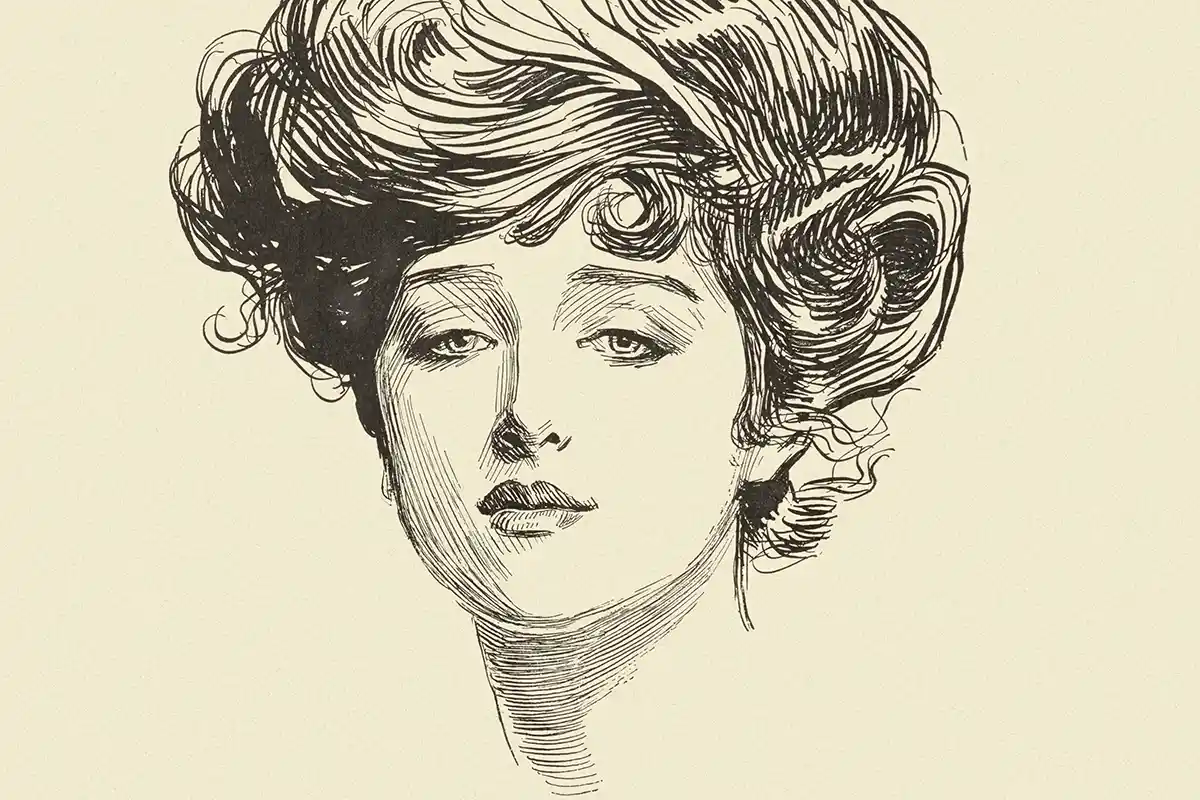
Charles Dana Gibson (1905–1935)
Gibson’ s elegant pen-and-ink drawings defined an era for over 30 years. Ikonographia is going to publish a wide selection of his work starting from the “Gibson Girl,” an iconic representation of the idealized, independent, and beautiful American woman at the turn of the 20th century.
Art Archives
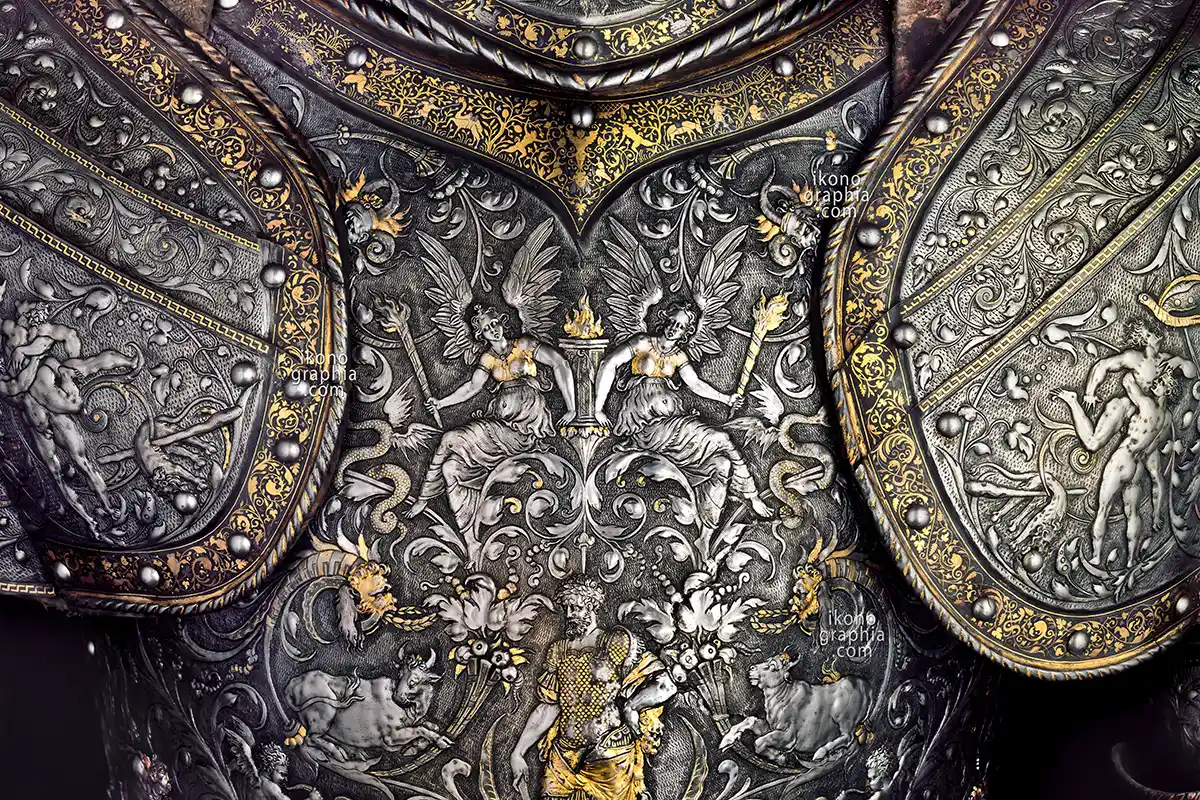
Art & Art Objects
Sacred and medieval art, Art Deco craftsmanship, and masterworks of decorative arts — documented as primary sources. Medieval ivory reliefs from Amalfi, the Habsburg armour collection in Vienna, Serge Roche's Art Deco glass and mirror work — each photographed by Roberto Bigano for FMR Magazine.

Art Deco — Photography & Graphic
From the 1925 Paris Exhibition to Manhattan's skyscraper lobbies, Art Deco defined modernity through geometry, luxury materials, and an unwavering belief in progress. Bugatti automotive design, Erté's Harper's Bazaar plates, Serge Roche's eglomized glass, Anne Fish's social cartoons, NYC architectural metalwork — assembled as a single cross-media archive.
Old and New Testament Ivory Carvings
The most extensive unified set of Biblical ivory carvings from the pre-Gothic Middle Ages — 11th century plaques depicting the complete Old Testament sequence, from the Creation to Moses. Their origins remain a mystery, likely connected to the Maritime Republic of Amalfi. Published in FMR Magazine as "The Greatest Story Ever Carved."
The Serge Roche Archive
The defining figure of French Art Deco glass and mirror work — his studio attracted the international art world for three decades. Techniques in oxidation and verre églomisé that produced objects never replicated. Photographed by Roberto Bigano for FMR Magazine.
Available nowhere else.

New York City Art Deco
"Manhattan's commercial lobbies as complete artistic environments — elevator doors as allegorical sculpture, bronze grilles encoding symbolic programs, polychrome ceilings merging ancient and modern. Decorative cycles by Chambellan, Glinsky, and Bach.
Published in FMR Magazine, Winter Solstice 2024."
The Armors of Ferdinand II
The Habsburg armour collection assembled by Archduke Ferdinand of Tyrol, housed at the Kunsthistorisches Museum in Vienna — photographed by Roberto Bigano in a closed museum, with full access granted in recognition of FMR's standing. The brief from Franco Maria Ricci: "Mr Bigano, bring me ghosts coming out from nowhere.
Advertisement Archives

Advertisement Archive
Vintage advertising from the 1900s through the 1960s — campaigns that treated the page as a canvas. Coca-Cola, Kellogg's by Leyendecker, British Dunlop, Augustus Jansson's Queen City Ink campaign, Cadillac WWII institutional advertising, and Abdulla Cigarettes illustrated by Anne Fish.

Coca-Cola Advertising Archive (1880s––1960s)
Coca-Cola advertising from the 1880s to the 1960s — rare and long-lost images reconstructed from vintage magazines, trade publications, and promotional material. Eight decades of American visual culture, restored from the original printed sources.

Dunlop Archive (1933–1938)
Explore our collection of Dunlop Tire advertisements, primarily from the first half of the 20th century, with a special focus on the campaigns of the 1930s, which showcase exquisite illustrations. Most of this content is exclusive and cannot be found online

Streamline Trains Archive
From the mid-1930s, American railroads answered competition with the streamliner — deluxe passenger trains built around speed, comfort, and the visual language of modernity. The advertisements, pamphlets, and menus they produced were extraordinary primary documents. Reproduced from original issues of Life Magazine and other period publications.
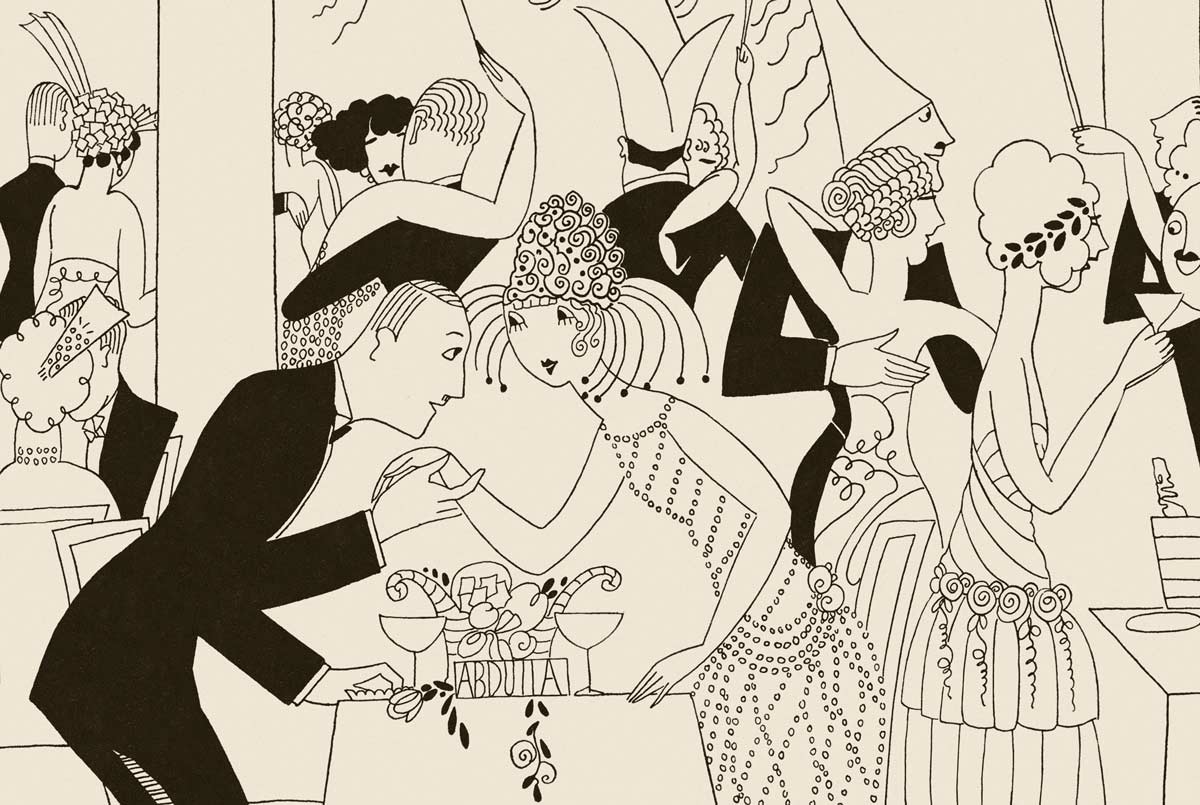
Abdulla Cigarettes Archive — by Anne Fish
In 1921, Abdulla Cigarettes launched a twelve-episode narrative campaign in La Vie Parisienne — one protagonist across a full year of issues, each episode advancing the story. Anne Harriet Fish drew all four series: Mélisande à Monte-Carlo, Dalilah, Léonie à Los Angeles, Leur Mari et le Pacha. Four protagonists, one unmistakable face.
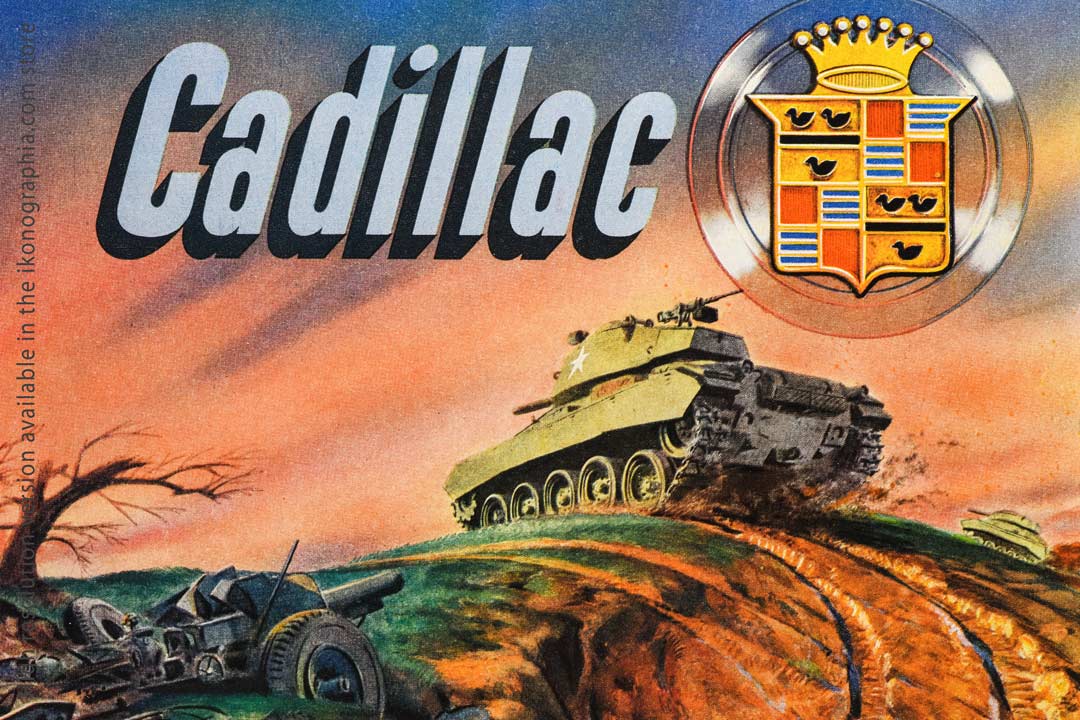
World War II Archive
On January 16, 1942, Roosevelt created the War Production Board. Fifty-five days after automobile production ended, Cadillac delivered the first tank. The advertisements Cadillac ran throughout the war documented this transformation in real time — institutional campaigns replacing consumer promotion, published in Life Magazine and reproduced from original issues.
Magazines & Books Archives
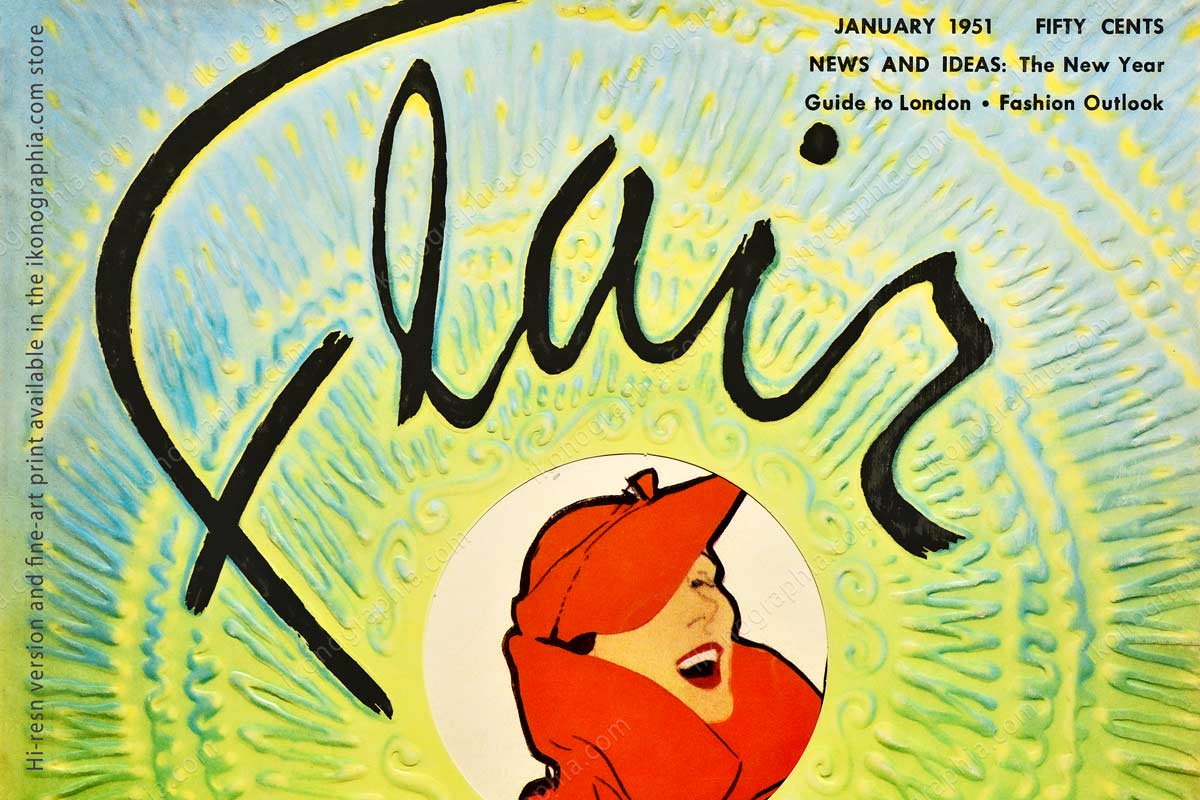
Flair Magazine (1950-1951)
Twelve issues. No budget limits. Killed by its own ambition. In 1950, Fleur Cowles combined art, fashion, literature, and travel into a single tactile object with no precedent. It lasted one year. Ikonographia holds all twelve original issues and the Almanack — full-spread reproductions from carefully unbound originals.
Portfolio Magazine - by Brodovitch (1950-1951)
Three issues. Three original copies, carefully unbound. Full-spread reproductions reveal what the binding concealed — compositions Brodovitch designed, but that no reader ever fully saw. The most complete visual presentation of Portfolio available anywhere.

The Chicagoan Magazine (1926–1935)
Covers and editorial illustration from The New Yorker's first five years — the magazine finding its visual voice. Work by Rea Irvin, Ilonka Karasz, Barbara Shermund, and Julian de Miskey, restored from original issues.
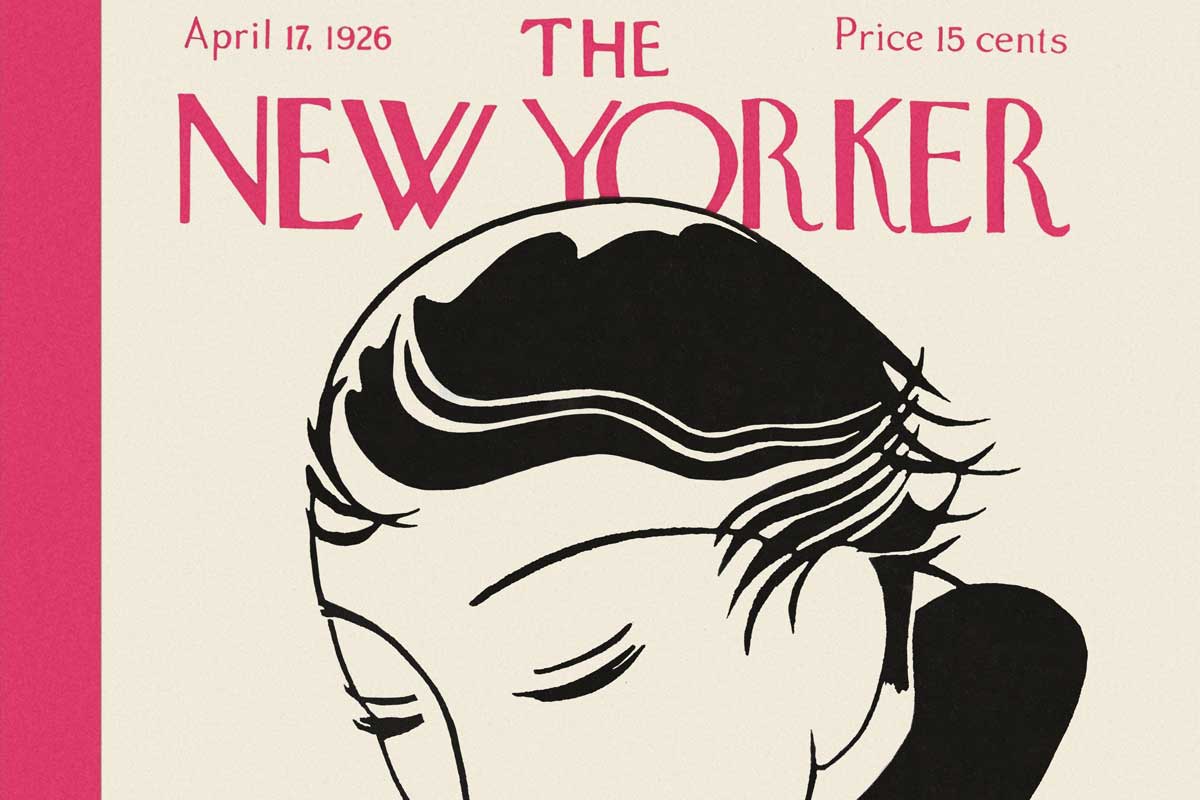
The New Yorker Magazine (1925–1930)
A collection from this iconic magazine featuring the work of artists like Rea Irvin, J. H. Hofman, S. W. Reynolds, Ilonka Karasz, Barbara Shermund and Julian de Miskey.
High Society — By Anne Fish (1920)
Published in December 1920 by G.P. Putnam's Sons — double-page plates from Vanity Fair drawn by Anne Harriet Fish between 1914 and 1920, with texts by Dorothy Parker and George S. Chappell. Fish drew the social world with a line simultaneously elegant and merciless. Parker and Chappell matched it word for word. All pages reproduced from the original book.

The Eve Book — By Anne Fish (1916)
Between 1914 and 1916, Anne Harriet Fish and Olivia Maitland Davidson — "Fish" and "Fowl" — produced a weekly column for The Tatler: a fashionable girl navigating wartime London. Silent films and theatre productions followed. Published simultaneously by Brentano's in New York and The Tatler in London in 1916. All pages reproduced from the original book.
Decades Archives

1909 and Earlier
Advertisements, illustrations, posters, and printed ephemera from before 1909 — the visual language of the Gilded Age and the Belle Époque, before modernism changed everything.

The 1910s
The decade that contained a world war and the birth of modern advertising. Illustrations, posters, campaigns, and editorial art from both sides of the Atlantic.

The 1920s — The Jazz Age
NYC Art Deco photography, Advertisements, covers, editorial plates, and graphic design from the height of the Jazz Age — Anne Harriet Fish, illustrator for Vanity Fair and Harper's Bazaar.
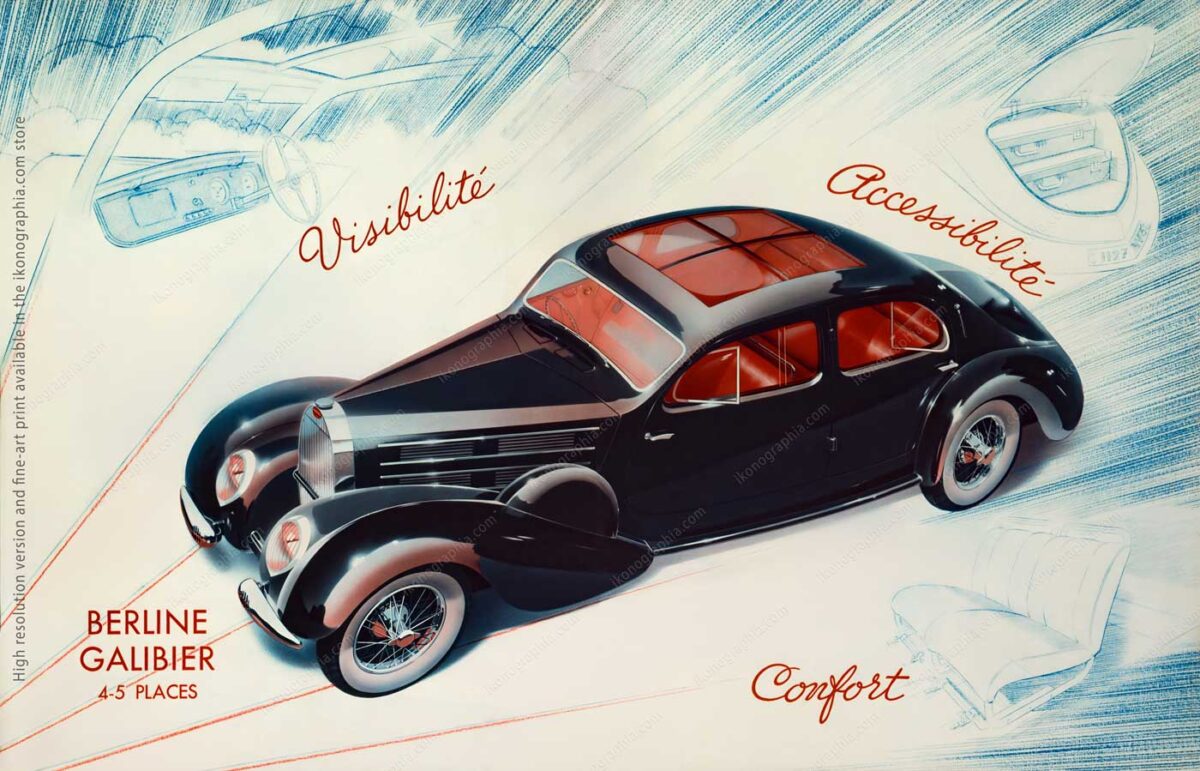
The 1930s
Depression-era America and the last flowering of Art Deco — streamlined design, sophisticated illustration, and advertising that held its ambition against economic pressure.

The 1940s
The war decade and its immediate aftermath — institutional advertising, documentary photography, and the illustrated press at its most purposeful.
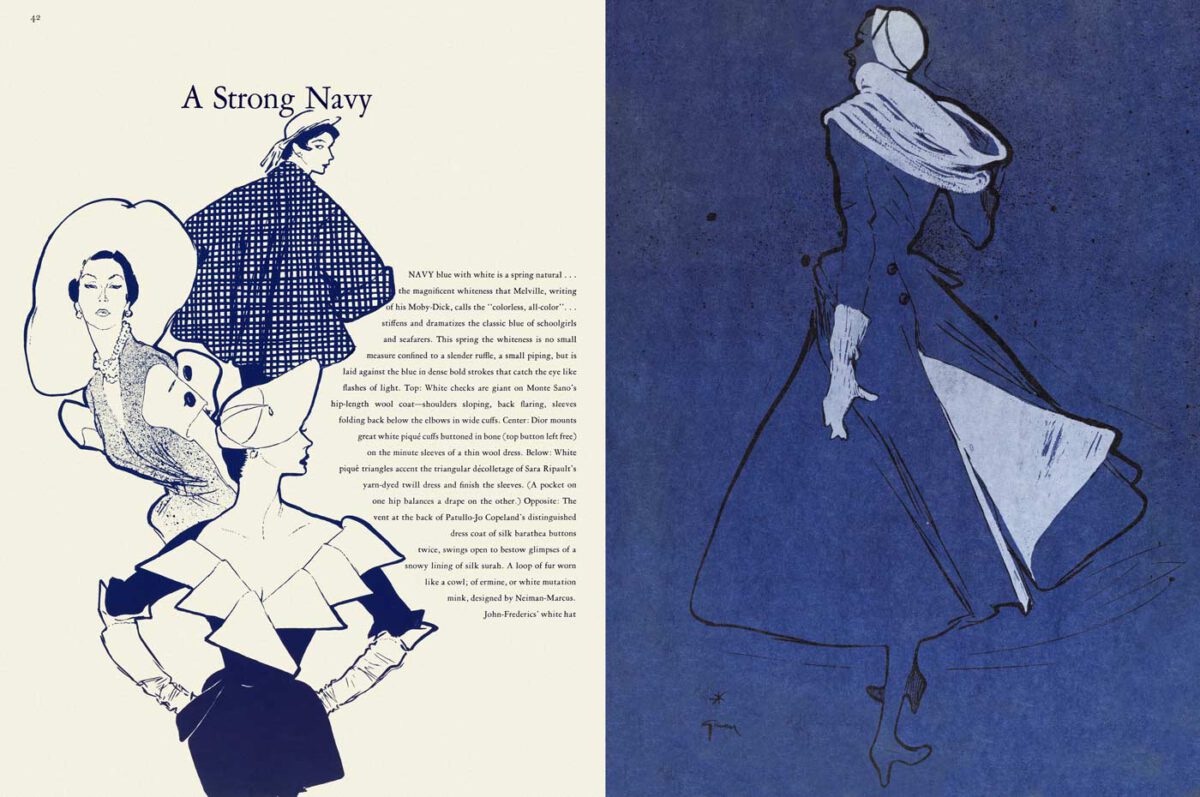
The 1950s and later
The postwar decades — modernism consolidating, advertising becoming an industry, illustration giving way to photography. The end of an era in visual culture, documented from inside.