
Stories — Editorial insight into visual culture
Ikonographia's stories explore how images — photography, illustration, and restored graphic works — shaped the modern imagination. Each story is a curated collection of images on a selected topic, expanded through historical context, archival research, and textual documentation.
Featured hubs gather multiple stories on a single subject into one coherent narrative — the complete picture in one place.
New York City Art Deco Interiors (1927-1939) — Featured in FMR Magazine with an Essay of Anthony W. Robins
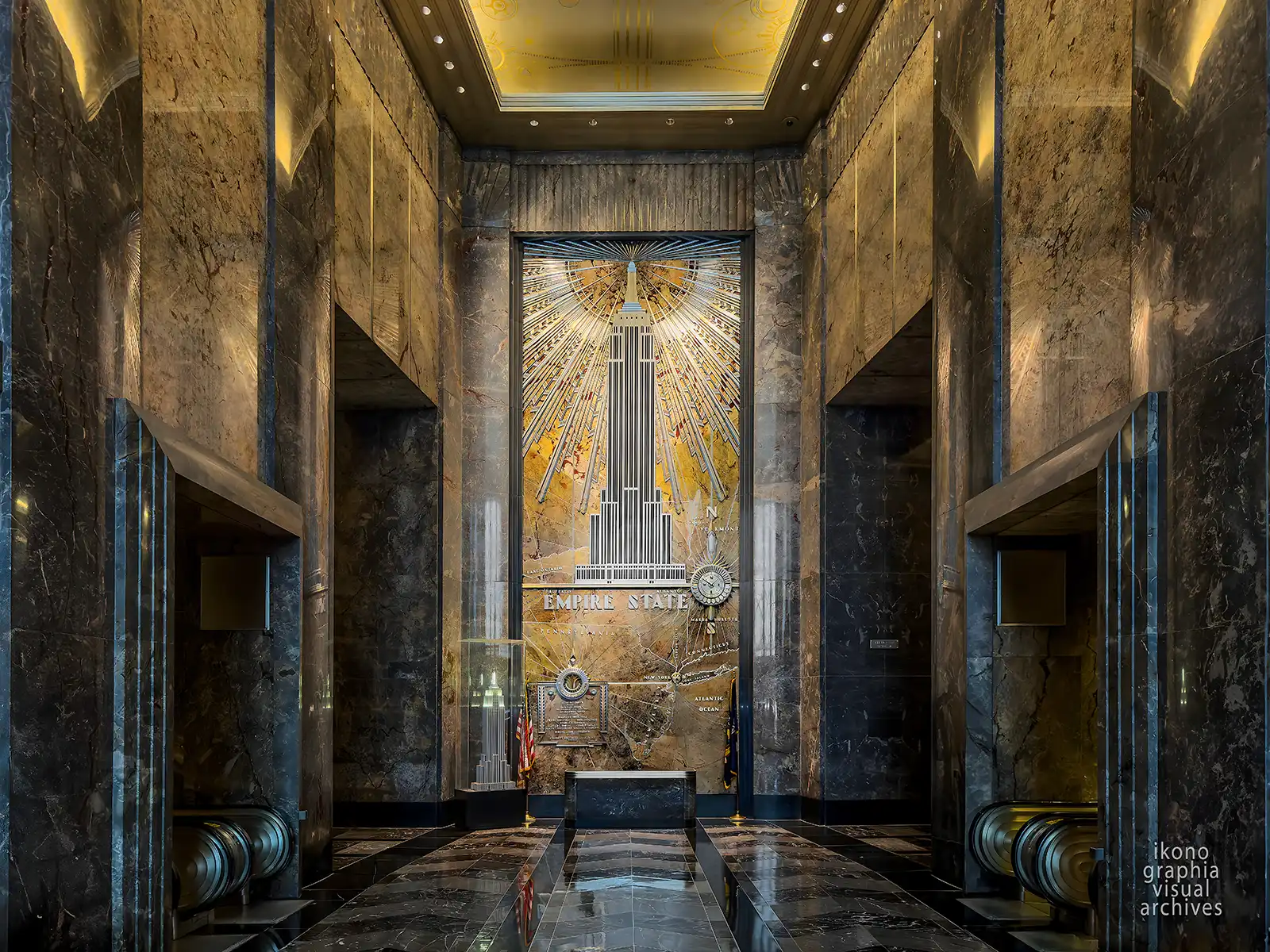
Ten Buildings — Ten Masterpieces of New York Art Deco
Ten buildings, ten decorative programs — the core of the NYC Art Deco Archive. Architects, sculptors, and metalworkers who turned commercial lobbies into complete symbolic environments. Photographed in full and documented to primary sources.
This hub is a guide to existing and forthcoming stories. From Brandt’s frozen fountain — first American Art Deco — to the most ambitious iconographic program of the era.
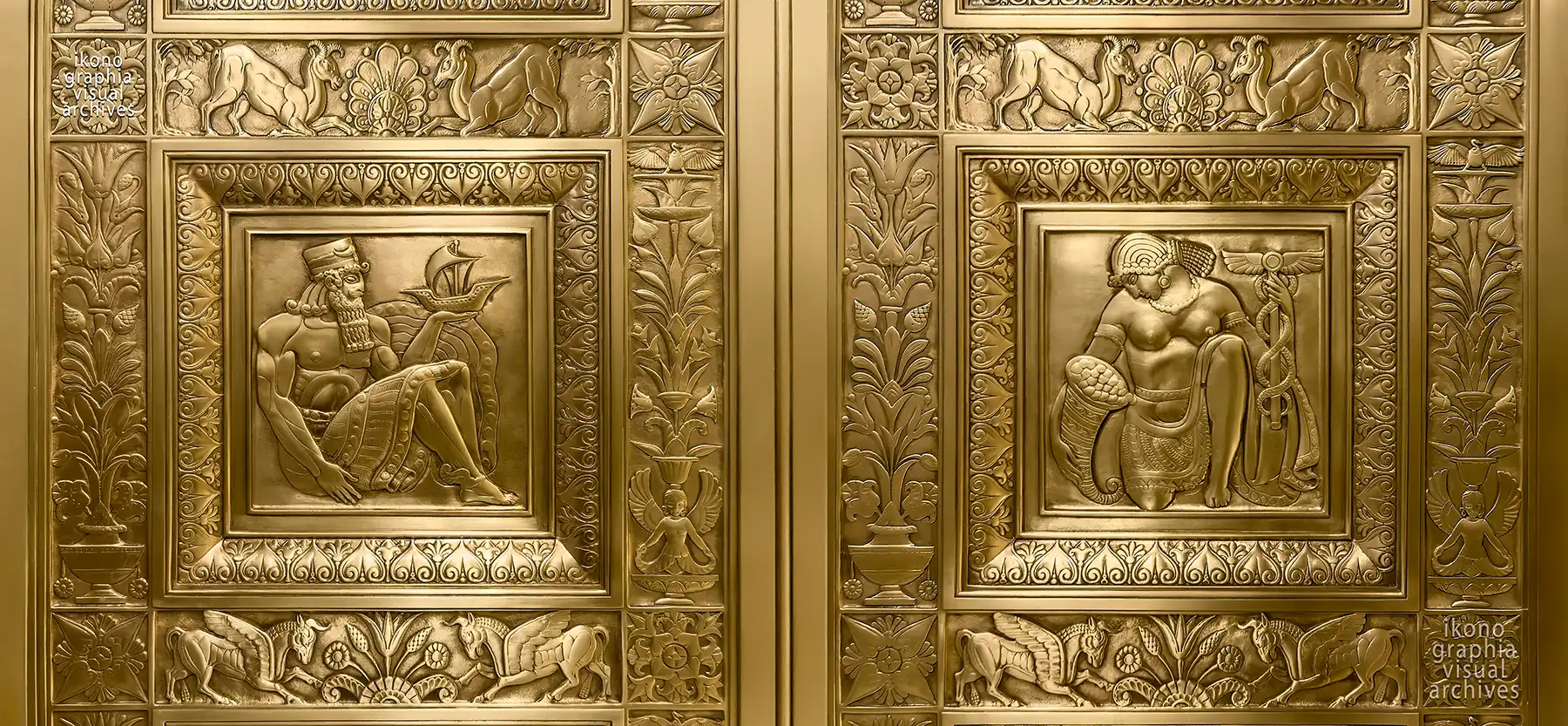
Art Deco Elevator Panels — Fred French Building, 1927 — Glinsky & Bach
Eight gilded bronze elevator doors by Glinsky and Bach (1927) translate Fred French’s four business pillars — Industry, Commerce, Finance, and Building — into a sculptural language drawn from ancient Mesopotamia.
Among the most significant surviving examples of programmatic Art Deco metalwork in New York, they are presented here as a complete iconographic sequence for the first time.
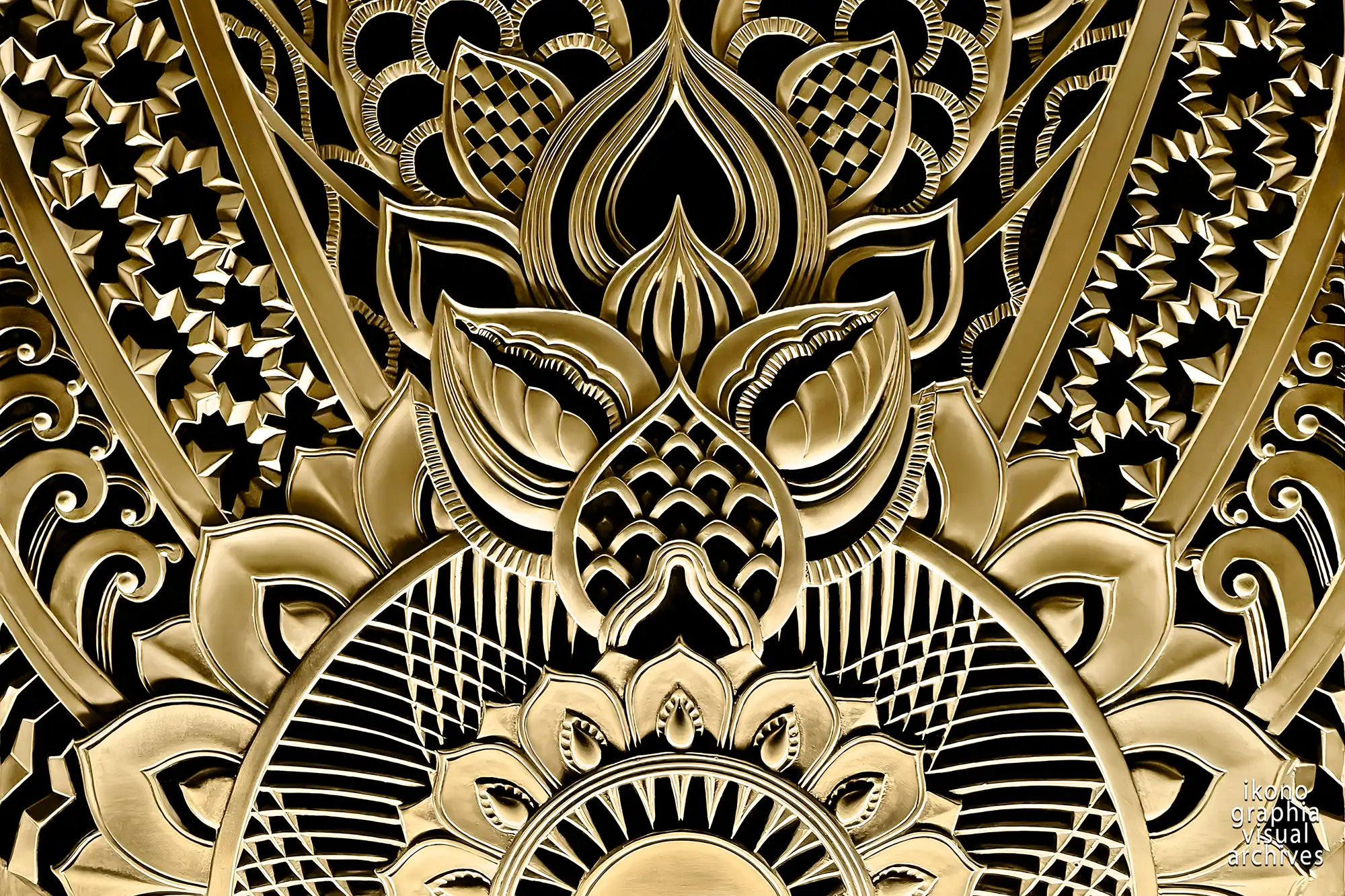
The City of Opportunity — Art Deco Grilles, Chanin Building, 1929
Eight gilt-bronze radiator grilles in the Chanin Building vestibule form a complete symbolic cycle — The City of Opportunity — encoding the stages of human development in pure geometric abstraction.
Ikonographia decoded the program using a 1929 primary source written by the artists themselves, allowing each grille to be read exactly as Chambellan and Delamarre intended.
Featured Hubs — Existing stories and archival materials on a single subject, brought together as one.

Bugatti — Photography, Drawings, Literature
Factory drawings, printed literature, advertising posters, classic car photography, and the Centenary Meeting in Tuscany — assembled between 1990 and 2009 with access to the Bugatti archive that no longer exists.
This featured hub brings together eight chapters into a single narrative of the Bugatti heritage, from the Molsheim drawings to Divina Bugatti, commissioned by Franco Maria Ricci. Most material unpublished until now. Available nowhere else.

Bugatti Automobili & EB110 — A Complete Visual Record
The most complete documentation of Bugatti Automobili ever assembled — the factory, the cars, and the people behind them, from the first sketch to the last car built.
This featured hub brings together three stories into a single narrative, told from inside in their own words by Romano Artioli, architect Gianpaolo Benedini, and photographer Roberto Bigano. Available nowhere else.
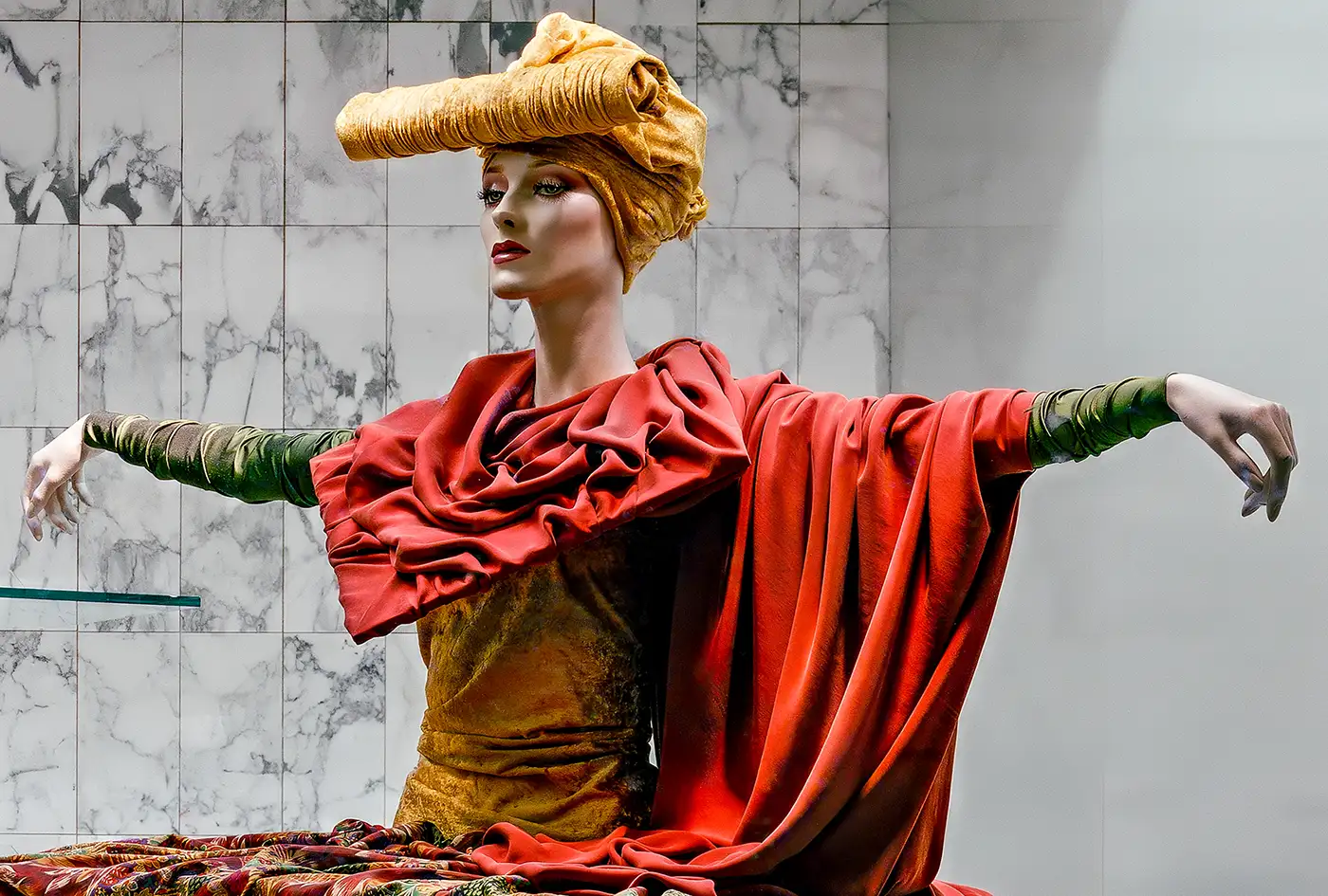
Plastic Girls — 50 Years of Artificial Beauty
Plastic Girls: 50 Years of Artificial Beauty introduces a newly re-edited and expanded view of Roberto Bigano’s long-term photographic study of shop-window mannequins.
This featured hub brings together three fully restyled chapters and reframes them as a coherent visual archive, examining artificial femininity and commercial display as cultural artifacts across nearly five decades. Available nowhere else.
Bugatti — Photography, Drawings, and Literature — Documented from within and available nowhere else
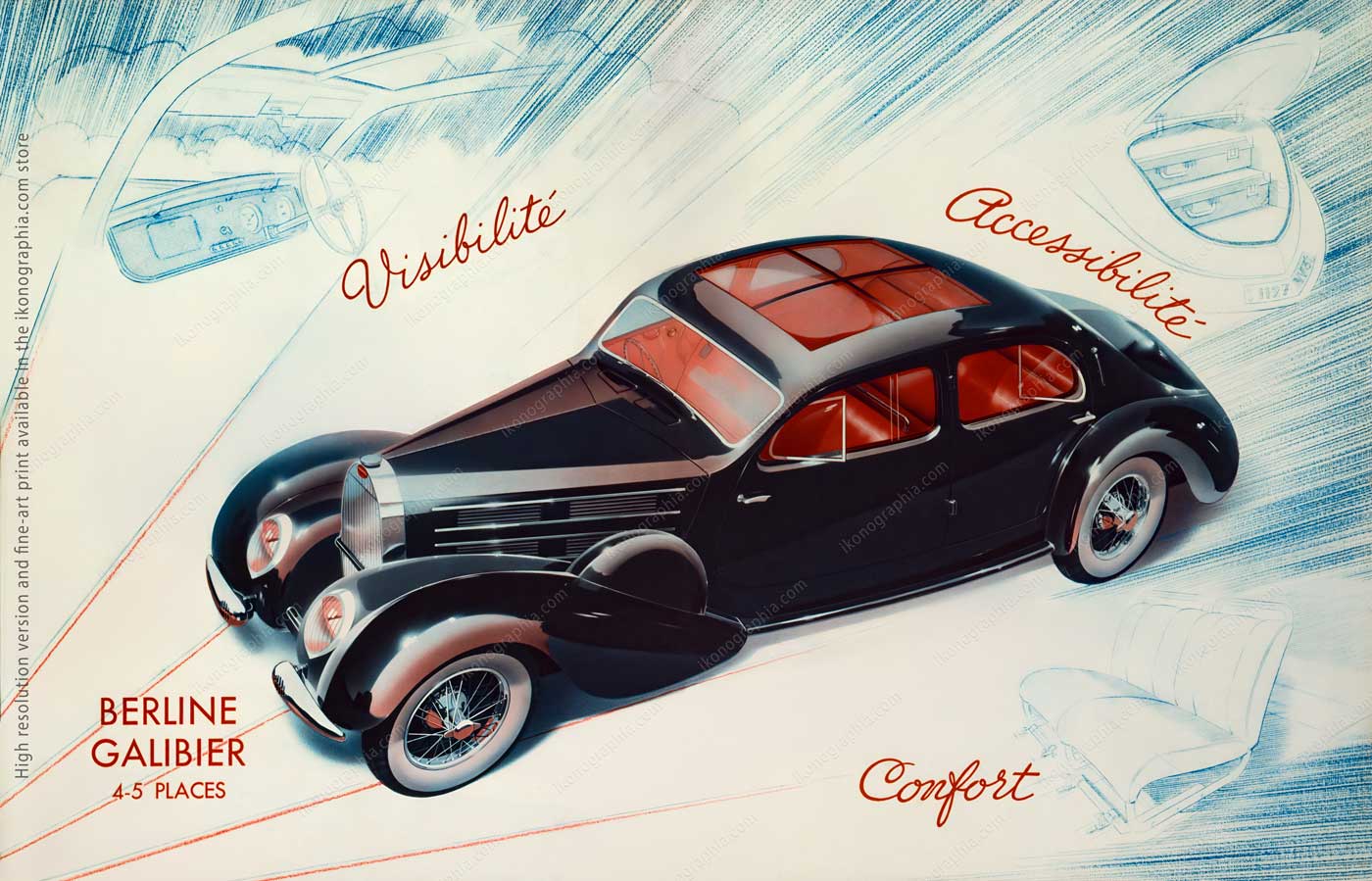
Bugatti Catalogs and Literature — 1920s and 1930s
Bugatti produced its own promotional literature with the same obsessive attention applied to its cars. Most catalogs were designed or directly supervised by Ettore or Jean Bugatti themselves — no outside agencies, no inherited house style.
This story brings together the most significant Bugatti catalogs of the 1920s and 1930s in a single curated sequence — reproduced from originals, restored, and fully contextualized. Primary material, assembled for the first time in one place.

Divina Bugatti. A Timeless Legend Celebrated in a Timeless Book
In 1991, Franco Maria Ricci commissioned Roberto Bigano to document the historic Bugatti collection at the Musée National de l’Automobile in Mulhouse. The resulting book set the visual standard for Bugatti photography.
This story presents selected images from the book — the Atalante, the Royale, the Atlantic, the Type 35 — with an introduction by Roberto Bigano. One image in the sequence broke FMR’s rule against non-orthogonal photography. Two did. Ricci published both.

Bugatti Posters
Ettore Bugatti himself designed his cars. He also often designed or supervised the making of the company documentation and factory designs. Ettore also hired the best artist for the posters and advertisement in general.
Bugatti Automobili & EB110 — Documented from within and available nowhere else
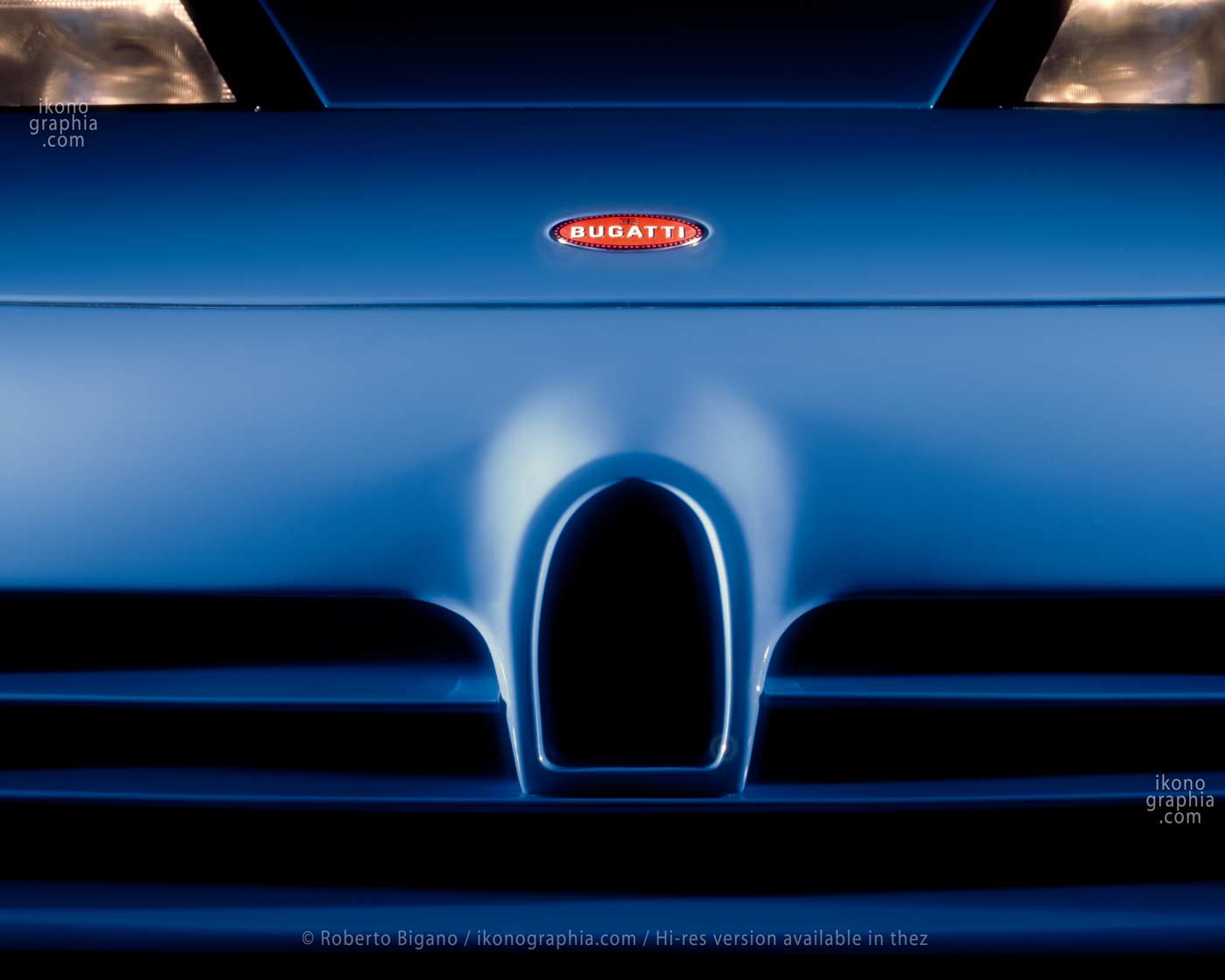
Bugatti EB110, First Model, Prototype, EB110 Supersport, EB112
The complete development sequence of the EB110 — from the Epowood model with covered rear wheels, a deliberate echo of the Bugatti Atlantic, through the Prototipo, the production GT, and the Supersport — documented from inside the factory as it happened.
The sequence closes with the EB112, Giorgetto Giugiaro’s four-door Grand Tourer concept that expanded the Bugatti vision beyond the supercar.
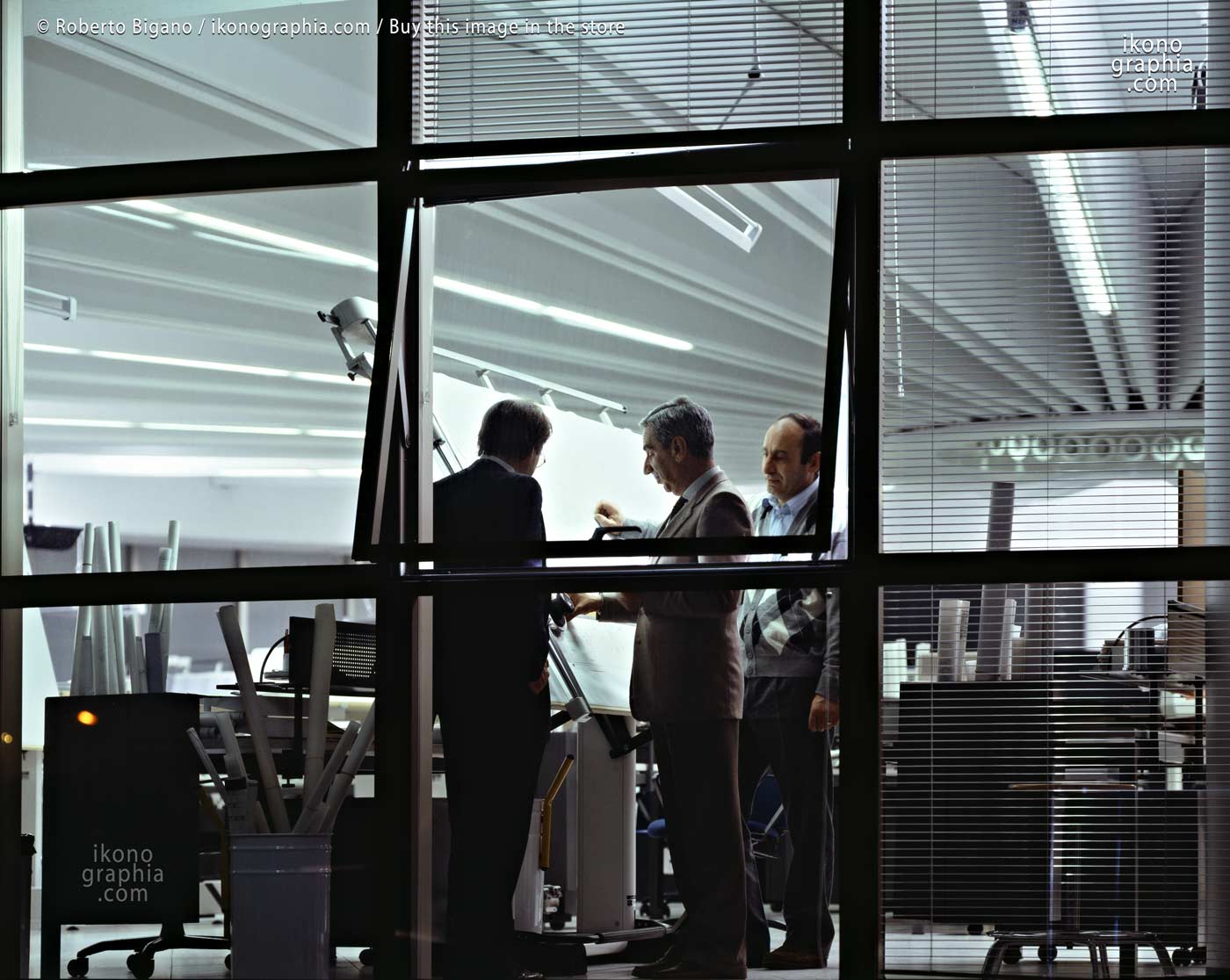
EB110GT. The Making of a Dream Car at Bugatti Automobili
The second chapter follows the making of the EB110 from inside — the engineering team, the chassis and engine development, the aerodynamic sessions at the Pininfarina wind tunnel, and the design confrontation between Gandini, Artioli, and Benedini caught in a single frame around the wooden model.
Roberto Bigano documented every stage as it happened. Available nowhere else.

The Bugatti Dream Factory — La Fabbrica Blu, Campogalliano, 1990–1995
A photographic documentation of the Fabbrica Blu — an avant-garde industrial complex at Campogalliano, completed in 1990 — dreamed by Romano Artioli for decades, designed by Gianpaolo Benedini in a few months.
Artioli, Benedini, and photographer Roberto Bigano tell the story in their own words. The archive has been published in at least three books. The images are available nowhere else.
Plastic Girls: 50 Years of Artificial Beauty — The Age of Plastic Innocence
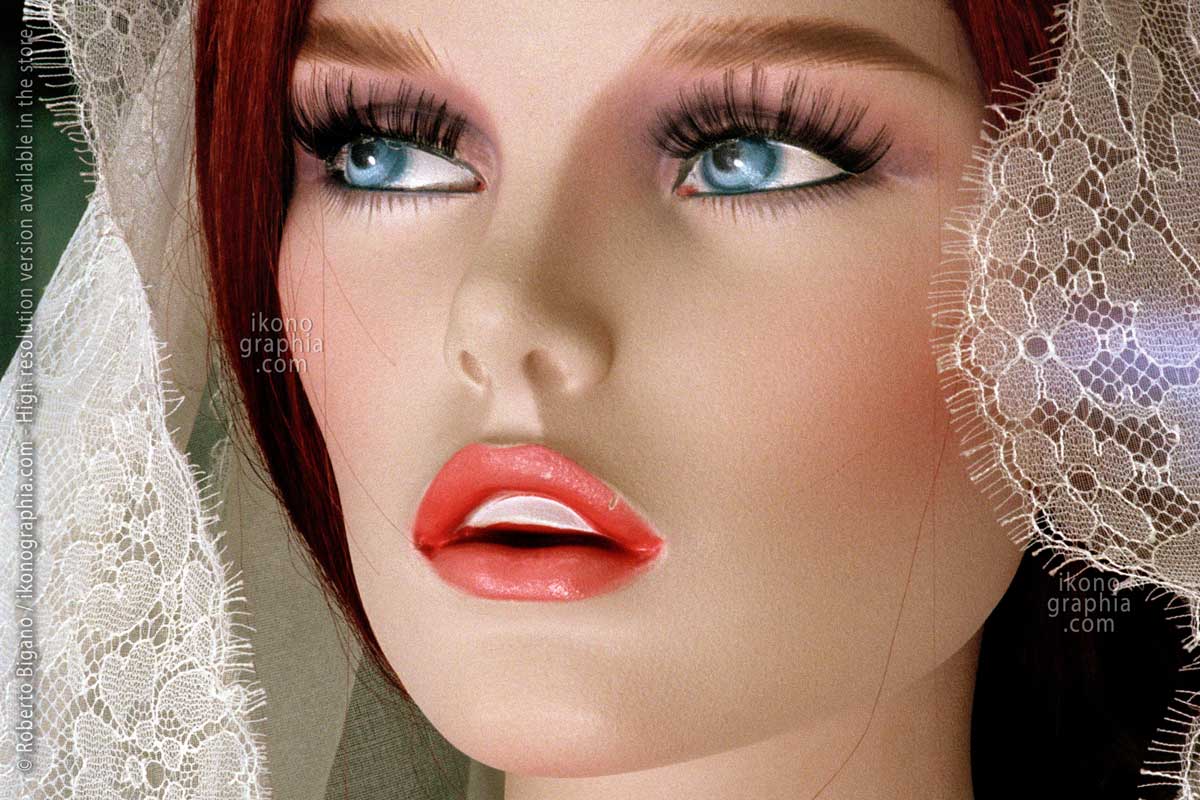
Plastic Girls — Glamour, Aggression, and Display (1980–1997)
A shared escalation across different countries — exaggerated makeup, exposed poses, confrontational gazes — a common direction toward excess as a mode of display.
This story documents the moment when artificial femininity became overtly cosmetic and sexualized, turning the female face and body into surfaces of visual pressure. The Spanish chapter — bridal mannequins photographed in Seville — brings the escalation to its most theatrical extreme.

American Mannequins — Journey into Hyperreality (1982–1988)
In American retail display of the 1980s, the mannequin underwent a fundamental shift — from stylized figure to simulated presence.
Hyperreal facial modeling, naturalistic poses, and psychological interiority replaced neutral display as the dominant visual language.
Documented across the States, this story traces how American consumer culture redefined the artificial body as a mirror of desire.

Plastic Girls — The Age of Plastic Innocence, 1978–1980
Between 1978 and 1980, window mannequins across Europe were defined by restraint: controlled gestures, neutral composure, bodies designed to present clothing. Display had not yet become theatre.
These images record the final moment before artificial femininity acquired psychological charge. What reads today as simplicity was the norm — a baseline against which everything that followed was a departure.
Portfolio Magazine — Brodovitch and the Reinvention of Editorial Design

Portfolio Magazine — Brodovitch and the Reinvention of Editorial Design (1950–1951)
This featured hub brings together three fully restyled chapters of Portfolio Magazine — Alexey Brodovitch’s radical editorial experiment published between 1950 and 1951 — into a single coherent archive.
Each issue is presented with its original visual logic restored. Full-spread reproductions from carefully unbound originals reveal what the binding concealed — compositions Brodovitch designed, but that no reader ever fully saw.

Selected Contents from Portfolio No. 2 (Summer 1950)
The second issue of Portfolio confirmed the scope of Brodovitch’s experiment.
Contents: Page Design as a Medium of Invention, Miró on the Walls — Wallpapers by Joan Miró and Ilonka Karasz, Joseph Low — Design with Linoleum Blocks, William Steig Illustration, and Cattlebrands.
Full-spread reproductions from carefully unbound originals reveal what the binding concealed — compositions Brodovitch designed, but that no reader ever fully saw.

Selected Contents from Portfolio No. 1 (Winter 1950)
The first issue of Portfolio arrived as a shock.
Contents: The Bodoni Typeface, Design from Mathematicians, Xerography — New Visual Effects with Powder and Electricity, and Saul Steinberg — Drawings from his unpublished private sketchbooks.
Full-spread reproductions from carefully unbound originals reveal what the binding concealed — compositions Brodovitch designed, but that no reader ever fully saw.
Art & Art Objects — Featured in FMR Magazine — Documented at this level nowhere else
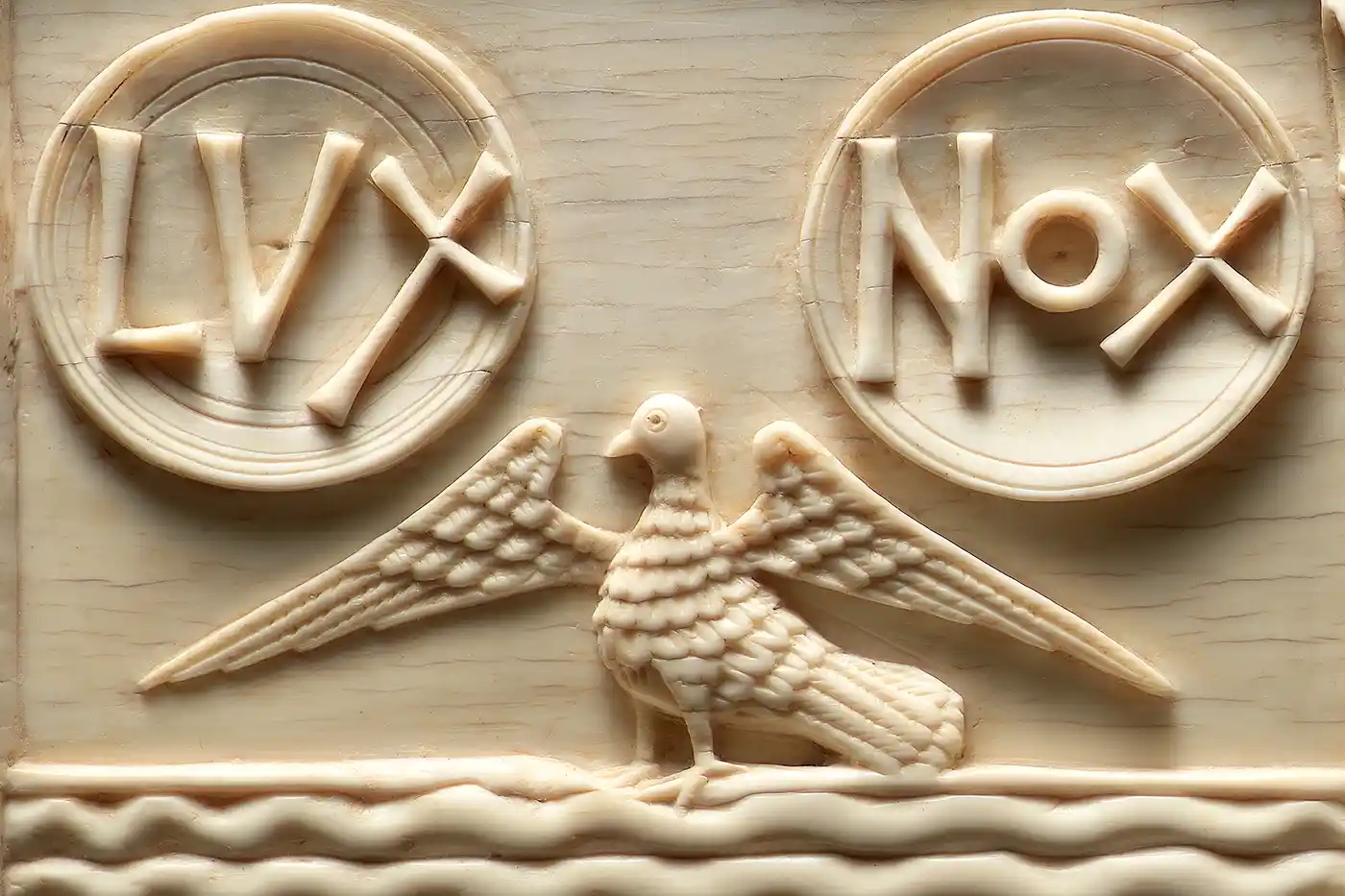
The Ivory Bible — Old Testament Carvings from Medieval Amalfi
The most extensive unified set of Biblical ivory carvings from the pre-Gothic Middle Ages — 11th century plaques depicting the complete Old Testament sequence, from the Creation to Moses. Their origins remain a mystery, likely connected to the Maritime Republic of Amalfi.
Published in FMR Magazine’s Summer Solstice 2024 edition as “The Greatest Story Ever Carved” — with photographs by Roberto Bigano. The New Testament chapter follows.

Art Deco Glass Objects by Serge Roche, 1930s
Serge Roche was the defining figure of French Art Deco glass and mirror work. His studio attracted the elite of the international art world for three decades. His techniques — oxidation and verre églomisé — produced objects never replicated.
Roberto Bigano photographed the collection for FMR Magazine. Outside specialist circles, Roche remains largely unknown — almost nothing on him exists in English. This story is the most complete visual documentation of his work available.

The Nonexistent Knight — The Armour Collection of Ferdinand von Habsburg
One of the most complete photographic documentations of the Habsburg armour collection — assembled by Archduke Ferdinand of Tyrol, housed at the Kunsthistorisches Museum in Vienna.
Franco Maria Ricci hired Roberto Bigano for a book based on Italo Calvino’s Il Cavaliere Inesistente. The brief was stark. “Mr Bigano, bring me ghosts coming out from nowhere.” The photos were taken in a closed museum, with full access granted — a privilege extended in recognition of FMR’s standing.
Anne Fish Social Satire — High society 1920 — The Eve Book — Harper' Bazaar's Drawings

The Eve Book by Anne Harriet Fish — 1916
The “Eve Book,” also known as “The First Book of Eve,” is a historical gem published in 1916 by Brentano in the US and the Tatler in the UK. Introducing the new star illustrator, Anne Fish, it is a curated collection of drawings published on the Tatler from 1914 to 1916 in the column “The Letters of Eve,” offering a unique glimpse into the dark days of World War I.

Flirting, Engagement, Weddings & Divorce in 1920s High Society
A first compilation of pages from Vanity Fair and the book “High Society” on Flirting, Engagement, Weddings & Divorce, illustrated by Anne Fish.
Any double-page plate focuses on a specific topic providing a unique, rich lens into American and international high society’s lifestyles of the 1910s and 1920s. Rigorously in black and white, these inimitable sketches are completed with entertaining captions.

American 1920s High Society’s lifestyles, as seen by Anne Fish
“High Society” published in December 1920 is a unique book celebrating the work of the star-illustrator Anne Fish. It’s a selection of drawings published on Vanity Fair US from 1914 to 1920. The book provides a unique, rich lens into American and international high society’s lifestyles.
All Stories
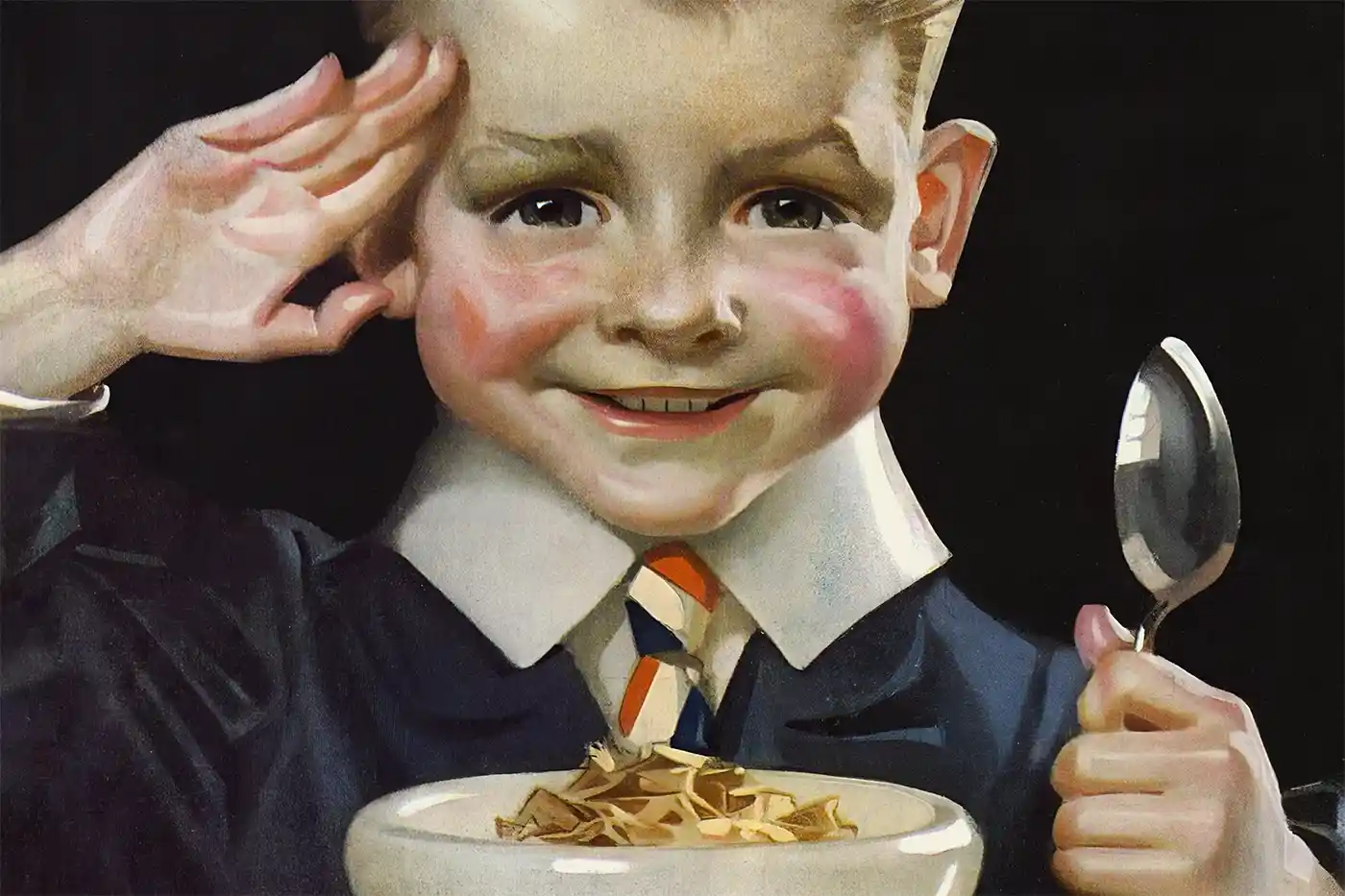
The Kellogg Kids, by Leyendecker. Corn Flakes Ads 1916-1917
The complete run of Joseph Christian Leyendecker’s illustrations for Kellogg’s Corn Flakes, published in The Ladies’ Home Journal during 1916 and 1917.
Leyendecker built contrast through alternating green and magenta brushstrokes — a technique rooted in Giotto. The restoration was calibrated to reveal it.

The most intriguing British Dunlop ads of the thirties.
Dunlop’s advertising campaigns across the British illustrated press — Illustrated Sporting and Dramatic News, The Bystander, Britannia & Eve, The Sketch, and The Tatler — from 1933 to 1938.
Multiple artists, distinct styles, a cross-section of a decade. Digitally restored to preserve the detail and feel of the originals.”originals.

Celebrating the Art Deco Centenary. 1925-2025
To mark the centenary of Art Deco — a hundred years since the 1925 Paris Exhibition gave the movement its name and reach — Ikonographia presented a selection of existing archives and projects in development. This page is a preview of that ongoing work.
The coverage includes New York City Art Deco interiors, the eglomized glass and mirrors of Serge Roche, and the Harper’s Bazaar cartoons of Anne Fish.

The Coca-Cola History Through Ads. 1 – 1886-1919
The Coca-Cola history told through its own advertising — from the first glass sold in Atlanta in 1886 to the consolidation of a global brand by 1919. Trademark registration, logo design, the cocaine question, and the first systematic campaign against imitation products: each chapter documented through the visual record Coca-Cola left behind.
The series continues into the 1960s.

Augustus Jansson’s Ink Beasts Parade for Queen City Ink 1905
In 1905, Augustus Jansson designed a campaign for Queen City Printing Ink that had no precedent. A sustained corporate narrative — consistent characters, recognisable visual identity, each ad building on the last — printed in the high-density colors Queen City produced.
The ink demonstrated itself. Systematic brand communication of this kind would not become standard practice for another decade.
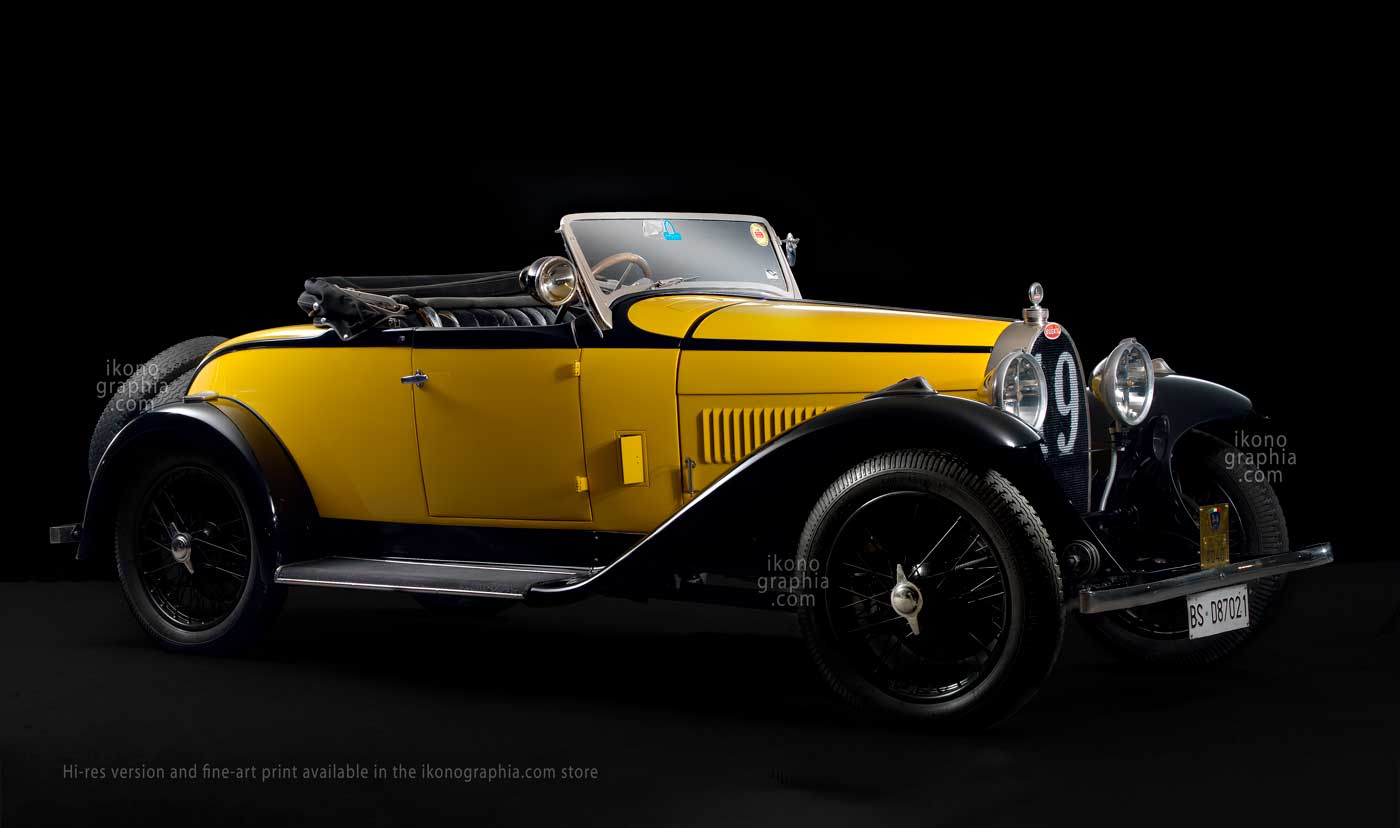
Bugatti Masterpieces of 1920s and 1930s. By Roberto Bigano
“Vintage Bugatti masterpieces photographed by Roberto Bigano across two sessions. The iconic Atalante and Atlantic from the Divina Bugatti sessions at the Musée National de l’Automobile in Mulhouse — the FMR commission. The legendary Type 13, Type 35, and Type 40A from the Bugatti Glamour Sessions — four nights of open-air studio photography during the Centenary celebrations in Tuscany, with the owners present.
Two bodies of work. Available nowhere else.”

Social Events in 1920s High Society. By Fish
A second compilation of pages from Vanity Fair and the book “High Society” on “Social Events in 1920s High Society,” illustrated by Anne Fish.
Any double-page plate focuses on a specific topic providing a unique, rich lens into American and international high society’s lifestyles of the 1910s and 1920s. Rigorously in black and white, these inimitable sketches are completed with entertaining captions.

Gluyas Williams Cartoons — Ourselves as Others See Us (1928)
Gluyas Williams Cartoons from “Ourselves as Others See Us.” This story features the entire run of double-page illustrations published in Cosmopolitan in 1928. This was the golden age of the magazine’s illustration, featuring splendid plates from artists such as Gluyas Williams, Charles Dana Gibson, and Anne Harriet Fish in the same issues.

Flair Magazine — Fleur Cowles and the Twelve-Issue Revolution (1950)
In 1950, Fleur Cowles produced twelve issues of Flair — a magazine that combined art, fashion, literature, and travel into a single tactile object, with no precedent and no budget constraints. It lasted one year. Production costs made it unsustainable.
Ikonographia holds all twelve original issues and the Almanack. Full-spread reproductions from carefully unbound originals — restored to a standard the bound copies never allowed.
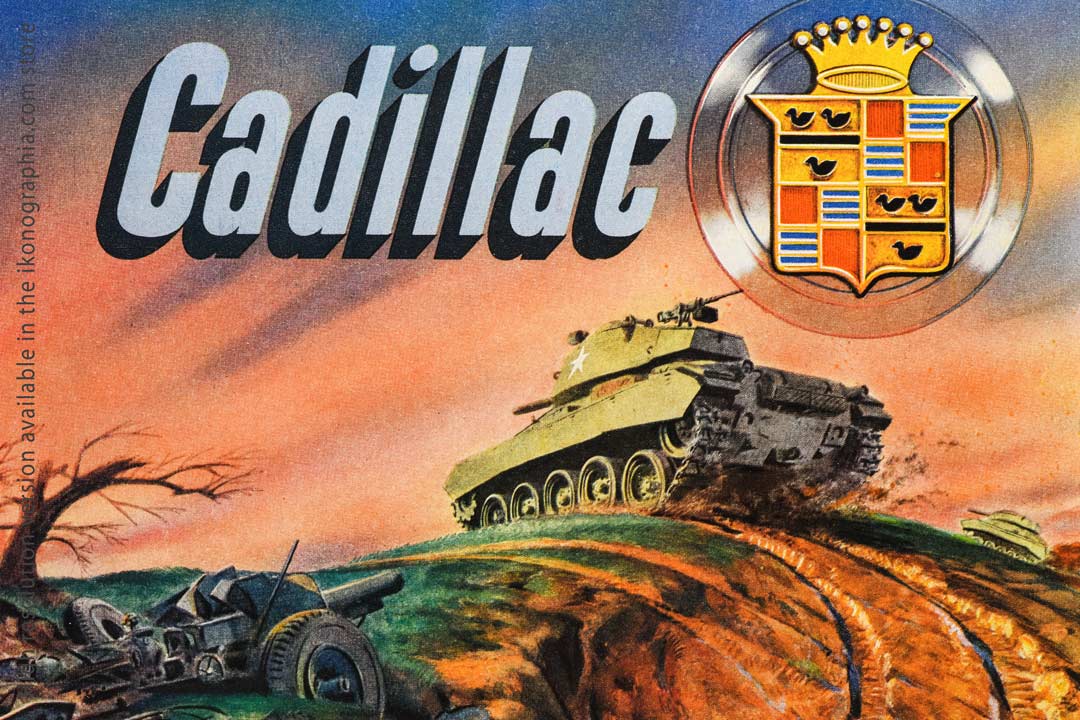
Cadillac’s World War II Iconic Advertisements
On January 16, 1942, 39 days after Pearl Harbor, President Roosevelt, with an executive order, created the War Production Board (WPB) to convert peacetime industrial production to meet the needs of the war.
Only 55 days after automobile production ended, Cadillac delivered the first tank. Just 17 days later, the second was shipped. Production was beginning to roll and soon to become a flood.

US Bald Eagle Emblem in 1930s Art Deco Architecture
An impressive selection of clean and essential pictures on the U.S. Symbol in US Courthouses and public buildings built from 1929 to 1939. All pictures, by Carol M. Highsmith are taken with a large-format view camera and the most recent with the finest professional digital equipment. Fine-Art Prints available for purchase.

American Streamlined Trains — Striking Ads of the 1940s
From the mid-thirties, American railroads developed deluxe passenger trains, the streamliners. Some became legendary and profoundly influenced popular culture by focusing on concepts such as power, speed, technological progress, comfort, and luxury service.
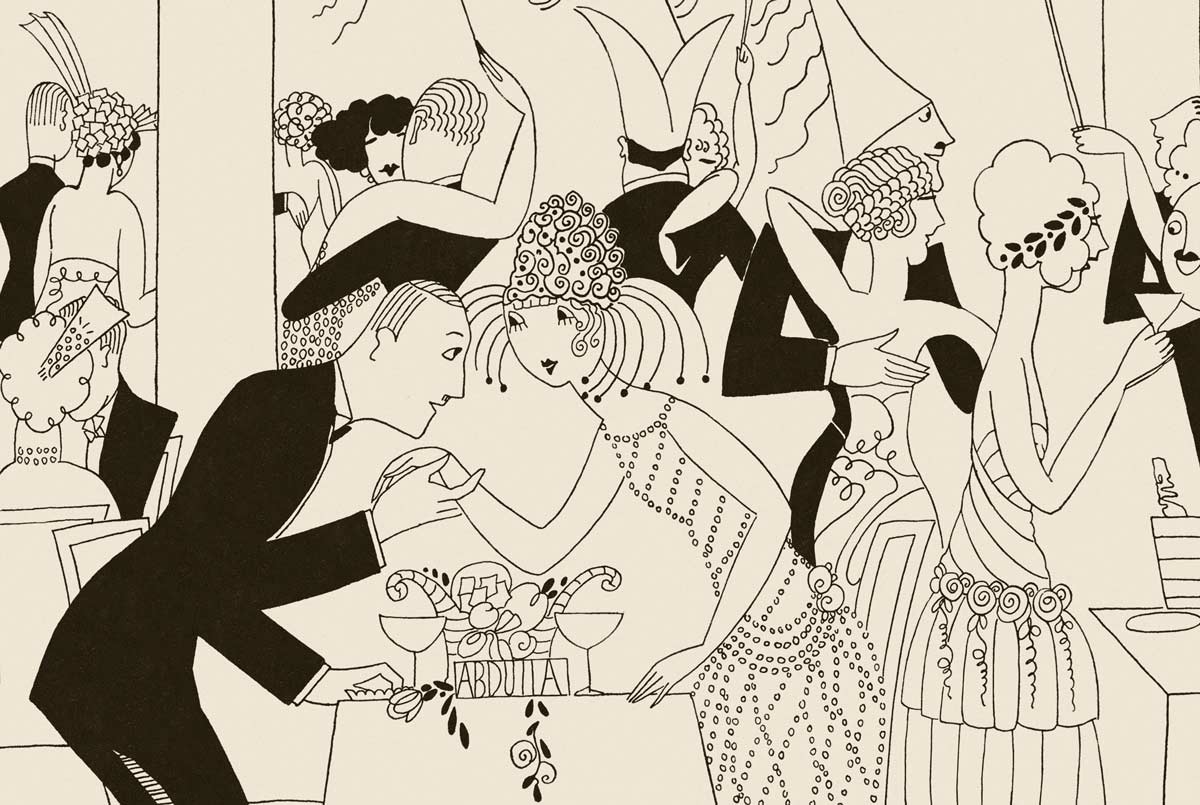
Abdulla Cigarettes 1921. Mélisande à Monte-Carlo — Anne Fish
In 1921, Abdulla Cigarettes launched a twelve-episode narrative campaign in La Vie Parisienne — one protagonist across a full year of issues, each episode advancing the story. The copy, in French, matched the illustration in wit and precision.
Anne Harriet Fish drew all four series: Mélisande à Monte-Carlo (1921), Dalilah (1922), Léonie à Los Angeles (1923), Leur Mari et le Pacha (1924). Four protagonists, one unmistakable face. This is the first.

Bread-making as a form of art in Sardinia
In Sardinia, bread is shaped, sculpted, painted, and dressed in fabric. Symbolic and religious forms for Easter and Lent, ceremonial breads for weddings, calendar breads, toys, dolls — and among the finest, the Coccoi Pintau, an everyday bread of exceptional refinement.
A selection of these images was published on FMR Magazine N.14, Summer Solstice 2025 under the title “The Simple Luxury of Daily Bread.”
Photographs by Roberto Bigano.

“The Girl Of To-Day” Beauty Contest. The New York Times 1913
1913’s American beauties revealed. In late 1913 The New York Times organized a beauty contest, asking readers to send photographs of typical American beauties. They depict an extraordinary snapshot of the concept of beauty, elegance, and aesthetics in photography at the time.